Reported evidence.
CJ 4DPLEX and AMC announced an agreement for 40 4DX and 25 SCREENX auditoriums across AMC and ODEON locations in the US and Europe. The 26 March 2025 release expected rollout through 2027, with most locations in US markets. The Korean company’s release independently confirms the agreement. This is a Seoul-headquartered technology and content-format business supplying an exhibitor, not an acquisition of AMC theaters or ownership of the underlying films.
1. AMC / joint CJ 4DPLEX agreement and deployment timetable2. CJ 4DPLEX / Korean agreement announcement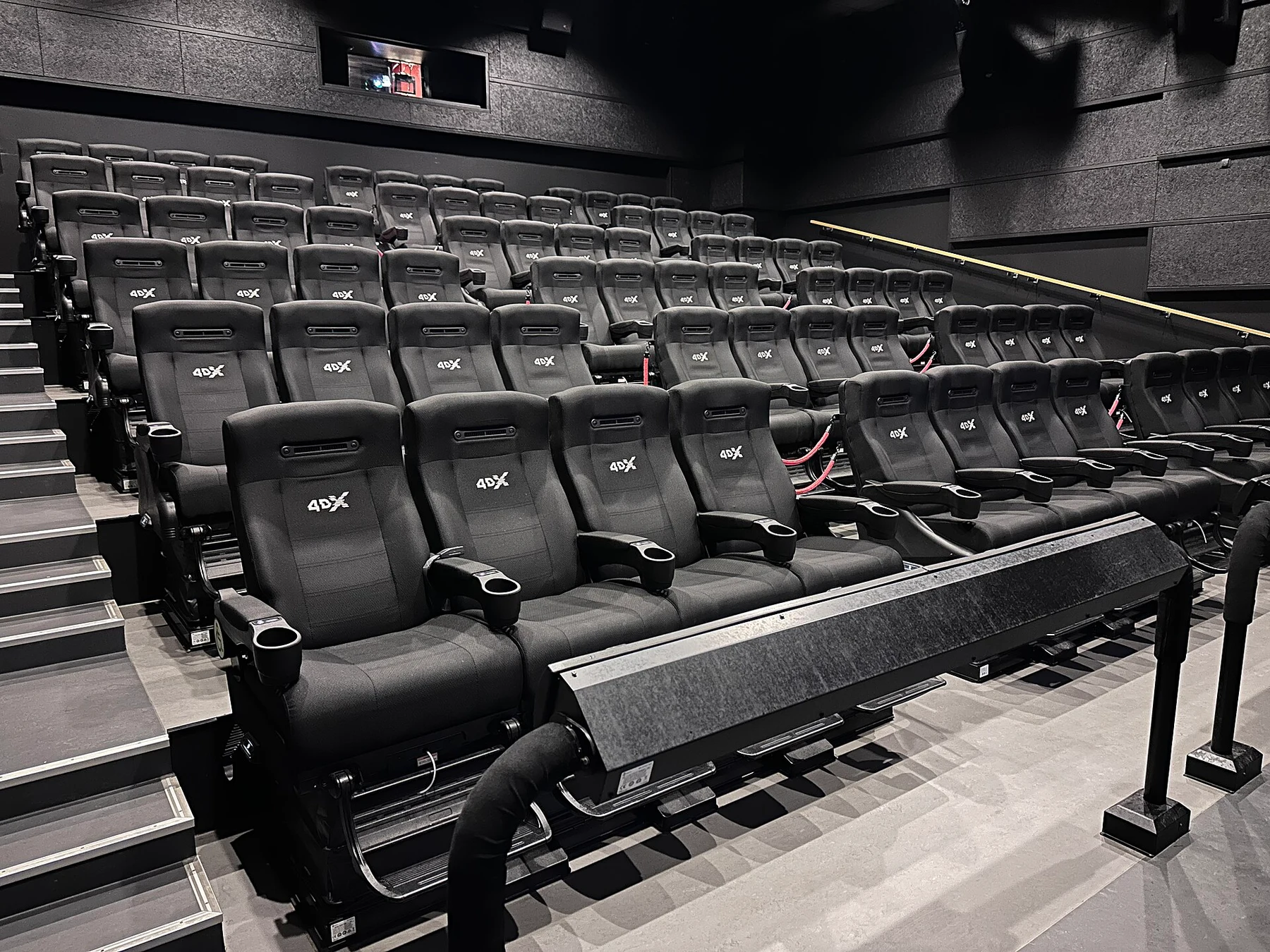
Photograph source · CC BY-SA 4.0 for the photograph; attribution, change notice and share-alike for image derivatives; separate technology/trademark rights remain.
Investment interpretation.
A proprietary format can earn internationally by making an exhibitor’s existing screen more differentiated. The supplier does not need to buy each building, but its economics still depend on installation, compatible content and customer willingness to pay. The agreement creates a route to monetization; the operating record must demonstrate that premium admissions and settlement support the cost of maintaining the format across a distributed network.
Economic assessment.
Separate equipment and installation receipts from recurring service or format receipts, without inventing their undisclosed split. The exhibitor collects the ticket price and pays several claims, including film rental and venue operating costs. CJ’s economic participation depends on the agreement, not on the entire box office. The source provides a deployment count and timetable but no fee schedule, minimum guarantee or installation margin.
A Premium Seat Has Alternatives
The customer can choose a conventional screen, another premium format or viewing outside the theater. 4DX competes through coordinated physical effects, while SCREENX extends selected imagery beyond the main screen. Those propositions are not identical, and neither should be evaluated as a generic premium-ticket category. Their ability to earn depends on whether the film and the audience make the experience worth its price and travel time.
The exhibitor faces a parallel allocation decision: which auditorium to convert, which title to schedule and which format yields the best contribution from scarce showtimes. An attractive opening weekend can be insufficient if the format has limited appropriate programming between major releases. CJ’s competitive advantage therefore includes the ability to prepare a consistent pipeline of compatible content and support venues, not simply technical specifications or the number of contracts signed.
Technology Does Not Convey Film Rights
The partnership requires more than a projection or seat system. Films must be prepared for the format, and the exhibitor still needs the right to show them in each territory. The announcement lists a forthcoming slate, but it does not transfer studio ownership or establish an unrestricted license to every title. A format supplier’s relationship with a studio and an exhibitor’s territorial exhibition agreement are separate rights.
This distinction affects both timing and investment. Preparing additional imagery or motion effects has a cost before admissions are known. A larger installed network can spread that preparation effort across more venues, provided the same title is eligible and scheduled there. Territorial release windows, local versions and technical delivery can limit that reuse. The commercial review should therefore connect content preparation costs with the auditoriums that actually exhibit the relevant version, not the whole theoretical network.
Deployment Before Repetition
The planned rollout extends across several years, making execution a material part of the investment case. Equipment procurement, construction access, installation and testing can occur before a venue begins generating format admissions. The parties must coordinate around theater operating schedules and title release calendars. A missed installation window can defer receipts while leaving suppliers or technicians already committed.
An auditorium agreement may establish a future customer relationship without immediate cash conversion. The analyst should identify deposits, milestone billing, acceptance tests and continuing obligations when the contracts are available. Those terms are not disclosed in the public releases. Consequently, multiplying planned auditoriums by an assumed recurring fee would manufacture economics. The appropriate public conclusion is that a substantial deployment pipeline exists and must be converted into operating sites and reliable settlement.
Admissions and Net Format Contribution
The venue’s incremental ticket premium must be considered together with the audience it attracts or displaces. A guest switching from another premium auditorium may improve one format’s attendance without increasing total theater contribution. Conversely, an experience unavailable at home may bring an additional visit. Comparing format attendance with a conventional screen on the same title and calendar helps distinguish those effects.
Maintenance, downtime and staff requirements can also affect the result. A physical-effects system creates a different support burden from additional projection, and both depend on consistent quality. The supplier’s recurring economics should be assessed after service costs and any contractual responsibility for failures. The agreement’s scale may support more efficient regional support, but scale is not itself evidence of lower costs. Installed sites must remain usable when the relevant demand occurs.
Network Growth and Collection Quality
A multi-site exhibitor can reduce the sales effort per installation and establish a consistent deployment program. It also concentrates the supplier’s receivables and rollout exposure in one counterparty relationship. Capital allocation should therefore compare the benefits of network expansion with the cost of funding installations and the concentration of collections. The public evidence does not disclose security, payment priority or a credit support arrangement.
For realization, a purchaser would value installed, serviced sites and repeatable receipts more highly than an unconverted pipeline. Contract transferability, ongoing studio relationships and the cost of keeping content compatible would influence that assessment. CJ’s Korean technology can travel through a business-to-business agreement, but durable value requires a complete operating chain from film preparation to the customer’s paid visit and the supplier’s collected share. The announced network is the beginning of that chain, not its final cash outcome.
Geographic analysis.
China
DSML comparisonA Chinese format rollout would require separate exhibition and content eligibility. The AMC agreement does not grant mainland distribution rights or establish Chinese receipts.
Japan
DSML comparisonCompare title suitability, theater utilization and local premium pricing. The number of American installations cannot supply a Japanese contribution forecast.
Other Asia
Reported connectionThe supplier is headquartered in Seoul. Korean technology and preparation capabilities support international venues without implying Korean ownership of those theaters.
United States
Reported connectionMost planned sites were expected in AMC’s US markets. Opening, title scheduling and settlement must be verified separately from the announced pipeline.
Europe
Reported connectionODEON participates in the planned expansion. Local sites and release windows determine actual access; a European label is not a blanket film license.
Counterpoint.
Premium formats can give cinemas a defensible experience and allow CJ to expand without purchasing venues. However, the same partnership creates installation funding, support and collection exposure. A successful outcome requires enough compatible programming and incremental admissions to sustain both exhibitor contribution and the supplier’s contractual receipts.
Underwriting questions.
- Which installation milestones trigger payment and acceptance?
- What recurring receipts remain after content preparation, maintenance and exhibitor settlement?
- How transferable are the venue agreements and studio preparation rights in a sale?
Primary sources.
DSML research · 8 October 2026