A Shorter Injection Finds Its Place in Cancer Care
Merck's 29 October 2026 results reported USD 830 million of third-quarter Keytruda Qlex sales, taking the nine-month total to USD 1.420 billion. The formulation had recorded USD 463 million in Q2. For Alteogen, which developed and manufactures its enabling enzyme, a technology partnership was now part of a medicine being used in an established cancer-treatment business.
The change concerned the treatment visit. Merck described administration by a healthcare professional in one minute every three weeks or two minutes every six weeks, compared with a thirty-minute intravenous Keytruda infusion. Oncologist J. Thaddeus Beck welcomed the additional settings in which patients could receive therapy. A doctor's office or community clinic could become another practical option for appropriate patients.
Caroline Litchfield, Merck's chief financial officer, described the early adoption pattern in August: use had increased after a permanent billing code took effect in April, particularly for monotherapy and combinations with oral medicines. CMS established J9277 with an effective date of 1 April 2026. The code helped providers identify the product for billing, with coverage still determined through the relevant insurers.
The FDA's 19 September 2025 approval rested primarily on comparing drug exposure with intravenous pembrolizumab. The study met its pharmacokinetic comparability criteria and observed no notable progression-free or overall-survival differences. The important change was an administration option, rather than superior cancer control. Alteogen's enzyme enabled that option within Merck's product. Serious immune-mediated reactions remain among the medicine's warnings.
Samsung's New Manufacturing Sites Reach Revenue Before the Next Expansion
Samsung Biologics' new US manufacturing operation began with people and an existing supply relationship. On 31 March 2026, chief executive John Rim welcomed more than five hundred Rockville colleagues as the company completed its GSK acquisition. Two plants added 60,000 litres of capacity. Samsung would continue supplying products previously made there for GSK while preparing to serve additional contract work.
By July, the company was integrating Rockville into its manufacturing network while continuing commercial production. At Plant 5 in Korea, process-performance qualification was progressing towards ramp-up. These were different tasks: maintaining and adapting an acquired operation in Maryland, and bringing newer Korean capacity into regular client work.
The 21 October update reported that Plant 5's ramp-up and Rockville's initial revenue contribution were adding to performance. Plants 1 to 4 were operating at full capacity. Consolidated CDMO revenue reached KRW 1,490.3 billion and operating profit KRW 640.1 billion, following Q2 revenue of KRW 1,320.9 billion and profit of KRW 586.4 billion. Rim emphasised consistent execution across increasingly complex programmes.
The next expansion would broaden the kinds of molecules the company could support. Its proposed PolyPeptide acquisition had met the tender's acceptance condition, with 87.92% participation, by the October update. A planned KRW 3 trillion rights offering included that acquisition and further capacity, with shareholder subscriptions scheduled for November. Those transactions remained unfinished; the existing sites were already contributing to the enlarged manufacturing network.
Hadlima Grows While Other Biosimilars Face Pricing Pressure
Samsung Bioepis's Hadlima had reached customers through another kind of partner. Organon's annual report recorded worldwide sales of USD 228 million in 2025, up from USD 142 million. It attributed the increase to the US ramp following the July 2023 launch and more modest demand growth in Canada and Puerto Rico. The biosimilar to Humira was establishing itself within a competitive treatment market.
Other products showed how purchasing decisions could alter that trajectory. Renflexis sales fell 8% to USD 251 million, with US competition and unfavourable discount rates among the reasons. Ontruzant fell 30% to USD 99 million, affected by competition, pricing and lower Brazilian tender volume. The same commercial partner was navigating distinct markets for different medicines.
The collaboration assigned development and manufacturing to Bioepis and commercialisation to Organon in the licensed territories. Its generally equal gross-profit sharing linked the Korean developer to the partner's ongoing work. Hadlima also received US interchangeability designations for all reference-product presentations in May 2025, potentially facilitating pharmacy substitution under applicable state law. Product development, access arrangements and the purchasing channel continued to matter after launch.
GSK Brings ABL's Brain-Delivery Research Into Its Programmes
ABL Bio's 7 April 2025 agreement with GSK addressed an earlier scientific problem: getting therapeutic molecules across the blood-brain barrier. Grabody-B targets the IGF1 receptor as a shuttle intended to help molecules reach the brain. The agreement covered multiple potential targets and formats, including antibodies and oligonucleotides such as siRNA and ASOs.
Christopher Austin, GSK's research-technologies executive, connected the work to neurodegenerative diseases becoming more prevalent as populations age. Many promising antibody treatments have difficulty reaching the brain. ABL chief executive Sang Hoon Lee saw an opportunity to extend the delivery platform into different therapeutic formats. Their collaboration brought a specialist Korean capability into a larger drug-development organisation.
ABL would transfer the technology and know-how, with GSK responsible for preclinical and clinical development, manufacturing and commercialisation. ABL's Korean exchange amendment confirmed receipt of GBP 38.5 million on 12 May. The filed agreement's total potential payments were GBP 2.1401 billion before royalties, with later milestones conditional on development, approval and commercial achievements. The work was to develop resulting medicines; the platform agreement itself was an early step in that process.
Japan's Xcopri Approval Follows a Six-Year Local Partnership
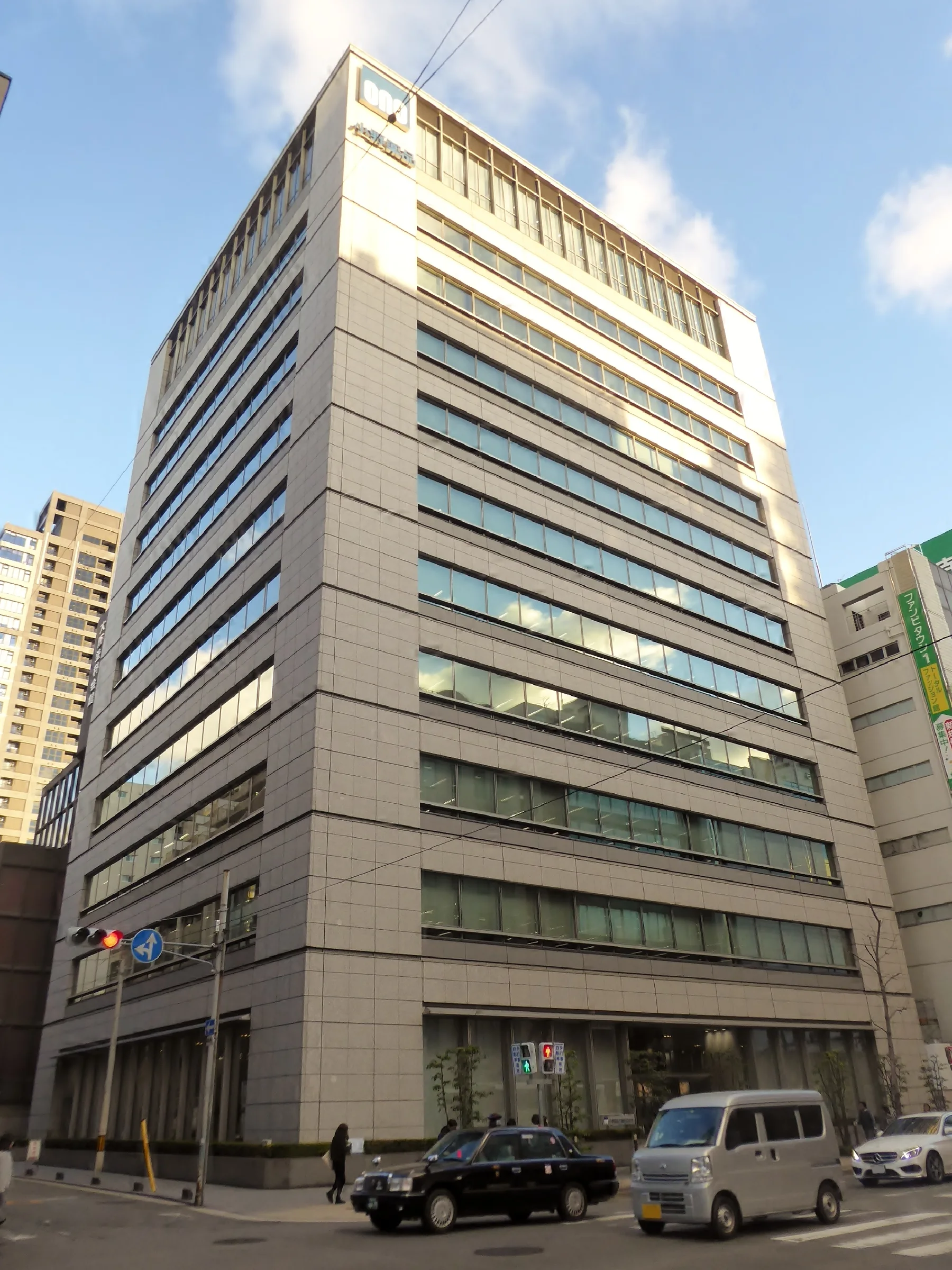
On 16 September 2026, Ono, led by president and chief operating officer Toichi Takino, announced Japanese manufacturing and marketing approval for cenobamate under the Xcopri name. The decision followed a multinational Phase 3 study in people whose focal seizures remained uncontrolled despite existing medicines. The study improved its primary seizure-frequency measure; dizziness and somnolence were the most common adverse events reported at an incidence of at least 20% in the treatment groups.
Ono's exclusive Japanese development and commercialisation licence with SK Biopharmaceuticals dated to 2020. Local development had brought the Korean-origin medicine to another authorised market, with introduction to patients the next task. That progression completes a different journey from an enzyme incorporated into an injection or a factory joining a manufacturing network. Each collaboration connects Korean work to a specific medical need and an organisation responsible for serving it.
DSML research · 8 October 2026 · Revised 31 October 2026