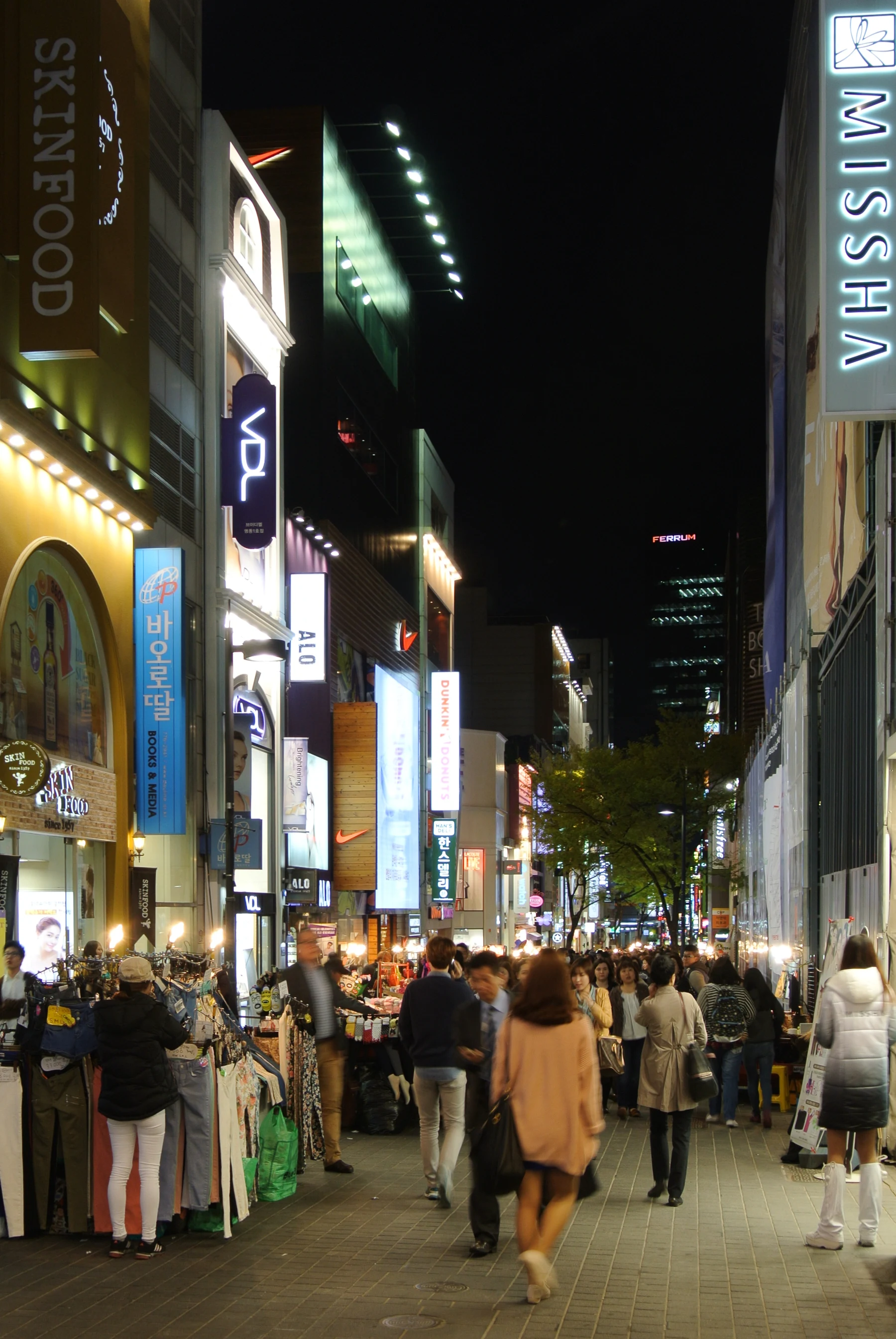
A beauty-shopping trip to Myeongdong increasingly includes a pharmacy. In an October report, Segye Ilbo described pharmacies moving into premises once occupied by cosmetics shops. Its analysis of Seoul licensing records counted 47 pharmacies on the main shopping streets by mid-October 2026, up from 13 at the start of 2024.
The striking part is not simply that more shops have opened. The pharmacy is becoming a place to discover skincare, with professional advice part of the attraction. For a visitor choosing between unfamiliar products, who explains the purchase can matter as much as the logo on the bottle.
That gives beauty brands another route to customers, but not an automatic route to better sales. More pharmacy signs mean more competition for the same pedestrian traffic. The emerging question is whether these stores can turn an initial tourist visit into a trusted recommendation worth remembering after the trip.
What the 47 Signs Actually Tell Us
The count needs a little care. These are pharmacies in the principal shopping streets, not 47 stores independently certified as beauty specialists. The comparison also begins in early 2024 and ends in mid-October 2026. The final count is about 3.6 times the starting figure, rather than a 360% increase.
Across the wider Jung-gu district, a separate count rose from 177 to 214 over the year to October. The two measures describe different areas and periods. Together they suggest that the change is bigger than a handful of eye-catching storefronts, without establishing how much of each pharmacy's business comes from cosmetics.
Main Myeongdong shopping streets, early 2024; Segye Ilbo analysis of licensing records.
Source 1Same shopping-street area, mid-October 2026. Total pharmacies, not a separately licensed beauty-pharmacy category.
Source 1Jung-gu pharmacies increased from 177 in October 2025 to 214 in October 2026; a different geographic measure.
Source 2The Counter Offers Something a Shelf Cannot
Segye Ilbo's reporting included a Japanese visitor who valued being able to ask a pharmacist about products. Maeil Shinmun subsequently described beauty-oriented pharmacies putting skincare and related products prominently on display, alongside social-media recommendations that help visitors decide where to shop.
Our reading is that this changes the selling conversation. A brand no longer has to rely entirely on packaging or a promotional display: the explanation can become part of the product experience. That only works if the explanation is clear. Cosmetics, medicines and supplements should not acquire interchangeable claims merely because they share a shop.
A Busy District Does Not Make Every Shop Busy
The expansion already has a less exuberant side. A pharmacist interviewed by Maeil Shinmun, who had opened in February, described intensifying competition and some hours with only one or two groups of customers. That is one operator's experience, not an average for the district, but it complicates the idea of an effortless retail gold rush.
For a brand considering this channel, a store opening is therefore the beginning of the story. Useful evidence would be repeat orders, the range customers actually buy and the quality of the explanation they receive. None of those can be read directly from the number of pharmacy licences issued.
The Pharmacy Still Has to Be a Pharmacy
Both reports raised concerns about preserving the pharmacist's core role as beauty sales grow. The opportunity rests on professional trust; weakening consultation to accommodate more merchandise would undercut the very distinction that makes this format appealing.
Myeongdong's changing signs are worth watching for that reason. They show Korean beauty finding a new point of contact with overseas consumers, close to the moment a visitor asks for help. The lasting winners may be the businesses that make that encounter useful, rather than simply the ones that open first or display the most products.
DSML research · 16 November 2026