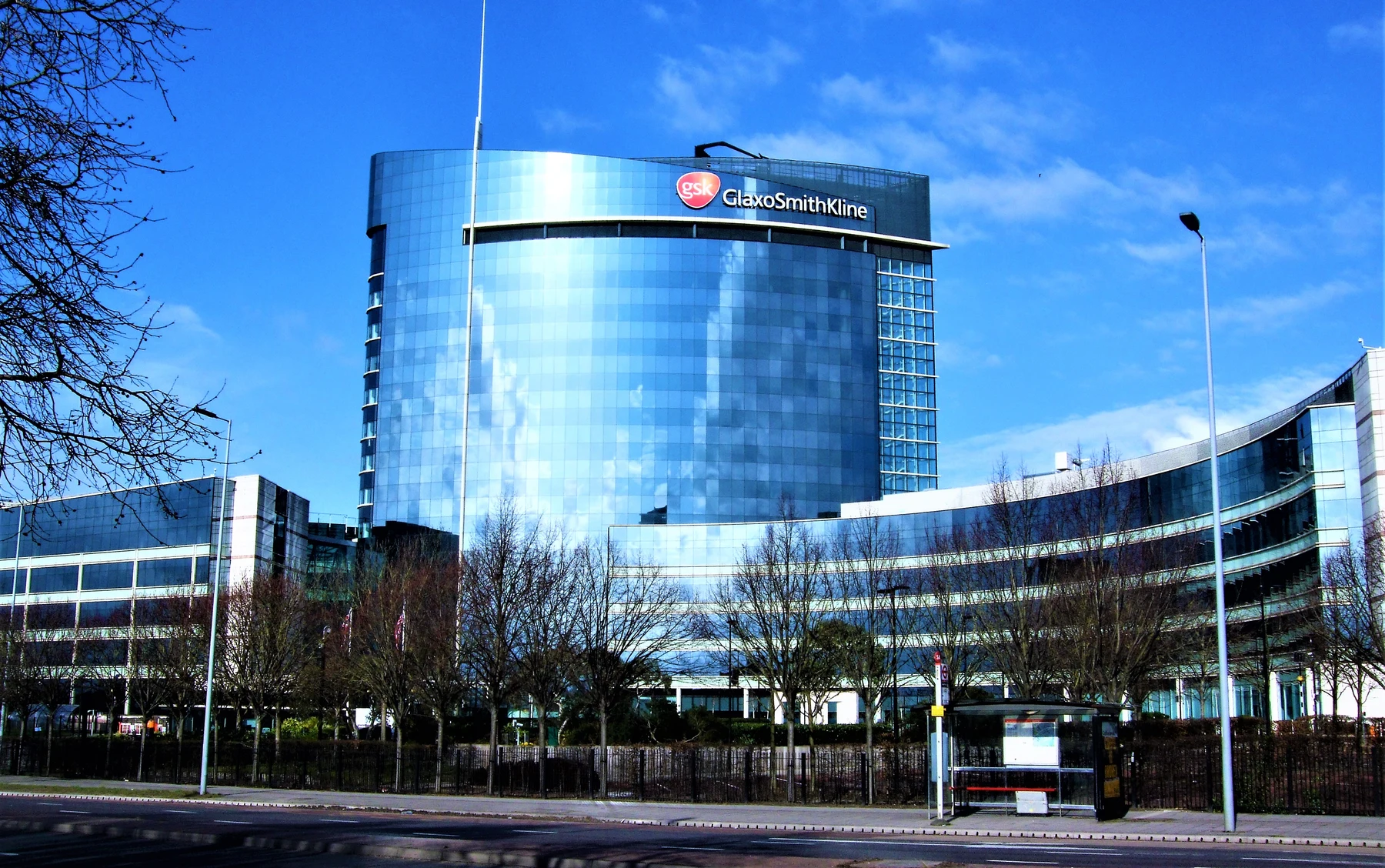
On 7 April 2025, ABL Bio and GSK announced a worldwide Grabody-B licence for multiple new-target medicines, including antibodies and nucleic-acid therapies. ABL would transfer its technology and know-how; GSK would take the resulting candidates through development, manufacture and commercialisation. ABL confirmed receipt of the GBP38.5 million upfront on 12 May.
Austin saw antibodies with therapeutic promise but an inadequate route into the brain. Lee wanted more kinds of medicine to use a shuttle his company had already taken into a separate Parkinson's collaboration. Their agreement connected those two ambitions: GSK obtained an enabling technology for its emerging pipeline, while ABL extended its role beyond one candidate. The important change was the breadth of the work the partners chose to undertake together.
GSK agreed to fund downstream development, manufacturing and commercialisation. ABL's compensation starts with the upfront and follows research, clinical, regulatory and commercial progress, with royalties on eventual net sales. That arrangement lets a Korean delivery specialist participate in several programmes without building the full drug-development and sales organisation itself.
Austin Wanted a Shuttle; Lee Wanted More Ways to Use Grabody-B
In announcing the partnership on 7 April 2025, GSK research-technologies senior vice-president Christopher Austin connected an ageing population with growing demand for treatments for neurodegenerative brain disease. Many promising therapies were antibodies, he said, but they needed help reaching the brain. The barrier that protects the central nervous system was also frustrating the development organisation trying to treat it.
ABL's Grabody-B uses insulin-like growth factor 1 receptor, IGF1R, as a transport route. GSK proposed applying it to antibodies and to nucleic-acid medicines, including siRNA and antisense oligonucleotides. The shared task was delivery: different therapeutic cargoes would use the shuttle to reach targets behind the blood-brain barrier.
For Lee, the partnership offered a way to extend Grabody-B into more therapeutic modalities. His stated ambition was to accelerate treatments for conditions including Alzheimer's and Parkinson's disease. Austin was seeking a component for GSK's emerging pipeline; Lee was seeking wider applications for ABL's engineering. The collaboration brought those purposes together before the new programmes had become named clinical medicines.
ABL had already put the platform into a different partnership. In its 28 October 2024 account of work with Sanofi, it reported completing manufacturing technology transfer for ABL301, a bispecific candidate combining an anti-alpha-synuclein antibody with Grabody-B. A joint research and development committee had guided that collaboration since the January 2022 licence.
At that point ABL was leading ABL301's US Phase 1 study, with Sanofi due to take responsibility from Phase 2. The completed transfer was practical experience of handing a brain-delivery construct to a larger partner. GSK's subsequent choice widened the model from that defined candidate to several new-target programmes. ABL301 remained Sanofi's separate project, not a GSK medicine.
The April Agreement Moved Into Technology Transfer and a May Payment
The companies signed on 5 April, with the contractual period beginning on 7 April. ABL committed to transferring Grabody-B technology and associated know-how. GSK would obtain the methods needed to incorporate the shuttle into its own candidate-development work and carry those candidates through its development organisation.
GSK's counsel, Simmons & Simmons, described the same worldwide, multi-programme arrangement. Intellectual-property partner Lydia Torne led its team, supported by George Herring. The involvement of technology-transfer specialists fits the transaction's substance: the work concerned an engineering platform and the rights needed to use it across prospective medicines.
On 12 May, ABL confirmed receiving GBP38.5 million upfront. The early package totals up to GBP77.1 million, with the balance dependent on research milestones and possible programme expansion. The Korean filing lists a further GBP2.063 billion of conditional milestones; the English release and counsel describe GBP2.075 billion. The announcements do not reconcile those descriptions.
GSK Takes the Development Bill and Worldwide Candidate Rights
The exclusive worldwide rights cover multiple new-target candidates using Grabody-B. GSK takes responsibility for preclinical and clinical development, manufacturing and commercialisation, including their costs and the discretion to carry them forward. ABL supplies the specialist technology at the beginning of that sequence.
This division gives the partnership a different shape from ABL's earlier candidate-specific Sanofi arrangement. In the latter, ABL described leading the initial human study before a later handover. With GSK, the disclosed organisation puts downstream development inside the buyer from the outset. The chosen applications therefore enter a development system extending well beyond the original delivery laboratory.
GSK secured candidate rights through a licence, while Lee's ABL remained an independent research organisation. ABL could concentrate on its shuttle technology and GSK could incorporate that capability into its own programmes. The worldwide candidate scope and the allocation of development responsibilities defined how the two organisations would work together.
AbbVie Had Chosen to Buy Aliada Outright
On the same October 2024 day that ABL announced its Sanofi transfer, AbbVie announced an agreement to buy Aliada. Chief scientific officer Roopal Thakkar wanted both its investigational Alzheimer's antibody ALIA-1758 and its MODEL delivery platform. Aliada's chief medical officer Michael Ryan likewise put brain access at the centre of the company's proposition.
Aliada pursued transferrin and CD98 receptor approaches; ALIA-1758 used transferrin-receptor transport and was then in Phase 1 safety and tolerability testing in healthy participants. AbbVie agreed USD1.4 billion in cash for all outstanding equity, subject to closing conditions. It was buying a company and its lead programme, not granting a worldwide distribution territory.
GSK chose a different organisational route into the same difficult field. Its licence accessed ABL's IGF1R-based engineering without absorbing the company. For Lee, a second major pharmaceutical relationship expanded the business around a Korean-developed delivery technology. For Austin, it supplied another way to build the next generation of brain medicines.
DSML research · 8 October 2026 · Revised 31 October 2026