On 29 October, Samsung reported KRW 107.4 trillion of third-quarter operating profit. Nearly all of it came from semiconductors. The consumer-device division made a loss. The company behind Galaxy phones and televisions was enjoying an extraordinary quarter, but the products most people associate with its name were not supplying the earnings.
Samsung's factories and consumer businesses met the same AI expansion from opposite sides. Server builders needed more memory, lifting semiconductor prices and sales, while higher component costs pressed on phones and other finished products. Young Hyun Jun's chip business supplied the earnings; TM Roh's consumer organisation was also building a new industrial business around cooling. The October figures brought those different trajectories into view.
The record also brings an allocation choice. Samsung can expand the factories earning today's profit, return money to shareholders or buy a larger place in the infrastructure those factories supply. Its recent deals show that the ambition extends beyond selling more memory.
The Shortage Looks Different From Each Side of Samsung
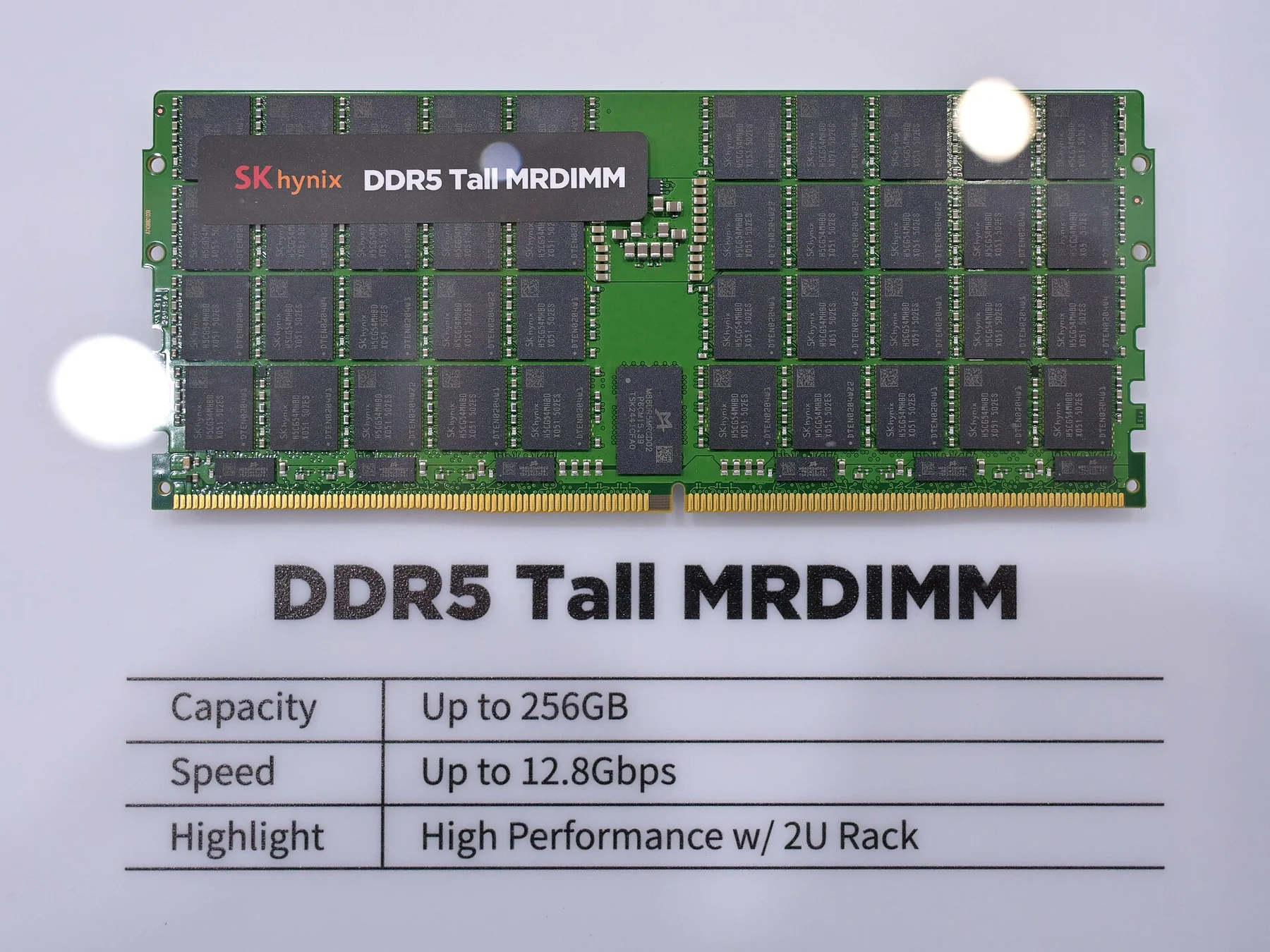
The 8 October guidance had already signalled a very large quarter. Three weeks later, Device Solutions reported KRW 106.5 trillion of operating profit, while Device eXperience lost KRW 0.8 trillion. Samsung attributed the memory performance to strong server demand, constrained capacity and expanded HBM4 sales. The infrastructure customers were buying products that its factories were already making.
For a memory supplier, strong server demand and limited capacity can improve prices as well as shipments. Samsung linked the semiconductor result to that combination and to more HBM4 sales. For a device maker, expensive components and other rising costs can make an attractive product harder to sell profitably. A company present at both ends can win business and still struggle to make money in the finished device.
The consumer figures reveal the pressure more precisely. Mobile eXperience and Networks reported combined revenue of KRW 37.7 trillion and an operating loss of KRW 0.6 trillion, despite new flagship launches lifting sales. Televisions and appliances together lost KRW 0.2 trillion on revenue of KRW 13.9 trillion. Samsung described higher component, raw-material and logistics costs. Selling more advanced devices was not shielding the consumer organisation from those pressures.
Reported 29 October 2026 for the quarter ended 30 September 2026.
Source 12Consolidated operating profit for the quarter ended 30 September 2026, reported on 29 October.
Source 12Device Solutions division; includes more than HBM.
Source 12Device eXperience division operating result for Q3 2026.
Source 12Samsung Electronics' September 2026 commitment within six affiliates' combined USD1bn Helix investment announcement.
Source 5107.4 / 195.3 x 100Approximately 55.0%, calculated from Samsung's 29 October 2026 reported group operating profit and revenue.
The Broadcom Meeting Was About More Than Memory
At a San Francisco AI summit on 25 July, Samsung and Broadcom announced a memorandum covering memory, manufacturing and advanced packaging. Samsung's foundry head Jinman Han and Broadcom chief Hock Tan attended. The companies put an expected value above USD 200 billion on their collaboration through 2030.
The proposed memory supply included HBM for Broadcom's next-generation AI accelerators. The foundry work covered Samsung's 2nm and smaller processes, including Broadcom's wireless broadband communications products. The companies also planned advanced packaging using 2.3D and 2.5D integration. Jun, Samsung's Device Solutions chief, described the need to bring memory, logic and packaging together; Broadcom semiconductor president Charlie Kawwas connected that combination to its AI and connectivity work.
Han and Tan were extending a relationship across several engineering programmes at once. The companies projected that value through 2030 under the memorandum; no firm purchase commitment was announced. The proposed work covered three connected roles: Samsung wanted to supply the memory, manufacture logic and help connect the resulting chips inside systems for the same partner.
The Cooling Acquisition Came Before This Earnings Record
Samsung had completed its purchase of FlaktGroup on 6 November 2025, well before the quarter now attracting attention. The European heating, ventilation and cooling company brought specialist engineering, factories and service relationships. Samsung said it would retain the company's name, management, staff and facilities as an independent subsidiary. Roh, then acting head of Device eXperience, called the purchase a strategic move into HVAC and data centres. FlaktGroup chief Trevor Young saw Samsung as a route to wider markets and new technology. The acquired businesses included Woods Air Movement's ventilation and fire-safety systems, SEMCO's air-handling products and SE-Elektronic's automation systems. Samsung was adding established industrial products and specialist teams to a division better known for consumer devices.
On 19 August 2026, Samsung announced approximately KRW 240 billion for a 21,500-square-metre FlaktGroup production line in Gwangju, scheduled to open by 2028. Appliances head Cheolgi Kim tied the investment to expansion in cooling, while FlaktGroup's then-CEO David Dorney described a stronger position in Korea and Asia. The proposed Korean line would join a manufacturing network serving the US, Europe and India.
Helix Makes Samsung an Investor in the Build-Out It Supplies
In September, six Samsung affiliates announced a combined USD 1 billion commitment to Helix Digital Infrastructure, with Electronics responsible for USD 500 million. KKR had launched Helix in June 2026. Its founding investors also included NVIDIA, Kuwait Investment Authority and power producer Vistra; former AWS chief Adam Selipsky led the company.
Helix brought data-centre development and operation together with power generation, transmission, distribution and fibre networks. Samsung's announcement identified power availability as the immediate constraint on more computing and said Helix planned direct energy investments and partnerships, including with Vistra. Selipsky was leading an organisation set up to develop that infrastructure, while Samsung was widening the range of products and expertise it could bring to that construction.
The participating affiliates had identifiable roles. Samsung C&T supplied construction expertise, SDS designed and operated data centres, and SDI provided backup-power technologies. Electronics brought semiconductors and FlaktGroup's cooling systems. The investment placed those businesses alongside an infrastructure developer, although it did not guarantee them supply orders. It extended Samsung's involvement from individual components to the organisations building their operating environment.
American Support and Chinese Restrictions Shape Different Factories
That wider infrastructure strategy also had an industrial-policy setting. On 20 December 2024, Gina Raimondo's Commerce Department awarded Samsung up to USD 4.745 billion under CHIPS for a Texas programme above USD 37 billion. It covered new leading-edge logic and research facilities in Taylor and expansion in Austin, with payments tied to project milestones. Jun described the award as another step in Samsung's long-established American manufacturing presence.
The other side of the policy appeared in August 2025. The Bureau of Industry and Security said former Validated End-User participants would need licences to ship relevant equipment and technology to their Chinese factories. It intended to permit continued operation, but not capacity expansion or technological upgrades through that route.
The two policies pulled investment in different directions: support for advanced American facilities, tighter equipment access for Chinese production. By October 2026, Samsung said its Taylor fab was expected to begin operating in 2027. The next phase of foundry expansion therefore involved a US site being prepared alongside Korean production, while the Chinese plants faced a more restrictive equipment route.
October Put Factory Spending and Shareholder Payments on the Same Agenda
The October release announced a KRW 30 trillion third-quarter cash dividend. Samsung also set out a broader shareholder-return programme for 2026, with the final amount and remaining execution plans to go before the board in late January 2027. The record quarter had produced a specific distribution decision, even as the wider programme continued.
Factory spending was rising too. Samsung reported third-quarter capital expenditure of KRW 29 trillion, including KRW 27.2 trillion in Device Solutions. January-to-September spending reached KRW 56.9 trillion. Its full-year expectation was approximately KRW 84.4 trillion, largely for the semiconductor division, where new fabs and infrastructure were being prepared for AI and high-performance computing demand.
The decisions give the earnings contrast a tangible continuation. Samsung was expanding chip production, building a Korean cooling line and joining Selipsky's infrastructure venture while returning money to shareholders. The consumer division's loss made the need for other sources of growth visible. Roh's cooling acquisition and Jun's broader chip relationships had already begun changing what Samsung could offer to industrial customers before October's profit record arrived.
DSML research · 15 October 2026 · Revised 31 October 2026