Reported evidence.
Samsung Biologics confirmed in its 23 April 2025 investor newsletter that Plant 5 had started operations that month. Its July update reported an additional 180,000 liters of capacity. The January 2026 results subsequently said Plant 5 would begin contributing revenue in 2026. These disclosures describe different stages, not contradictory measures of the same achievement.
1. Samsung Biologics / CEO operating update2. Samsung Biologics / second-quarter business update3. Samsung Biologics / FY2025 results and Plant 5 outlook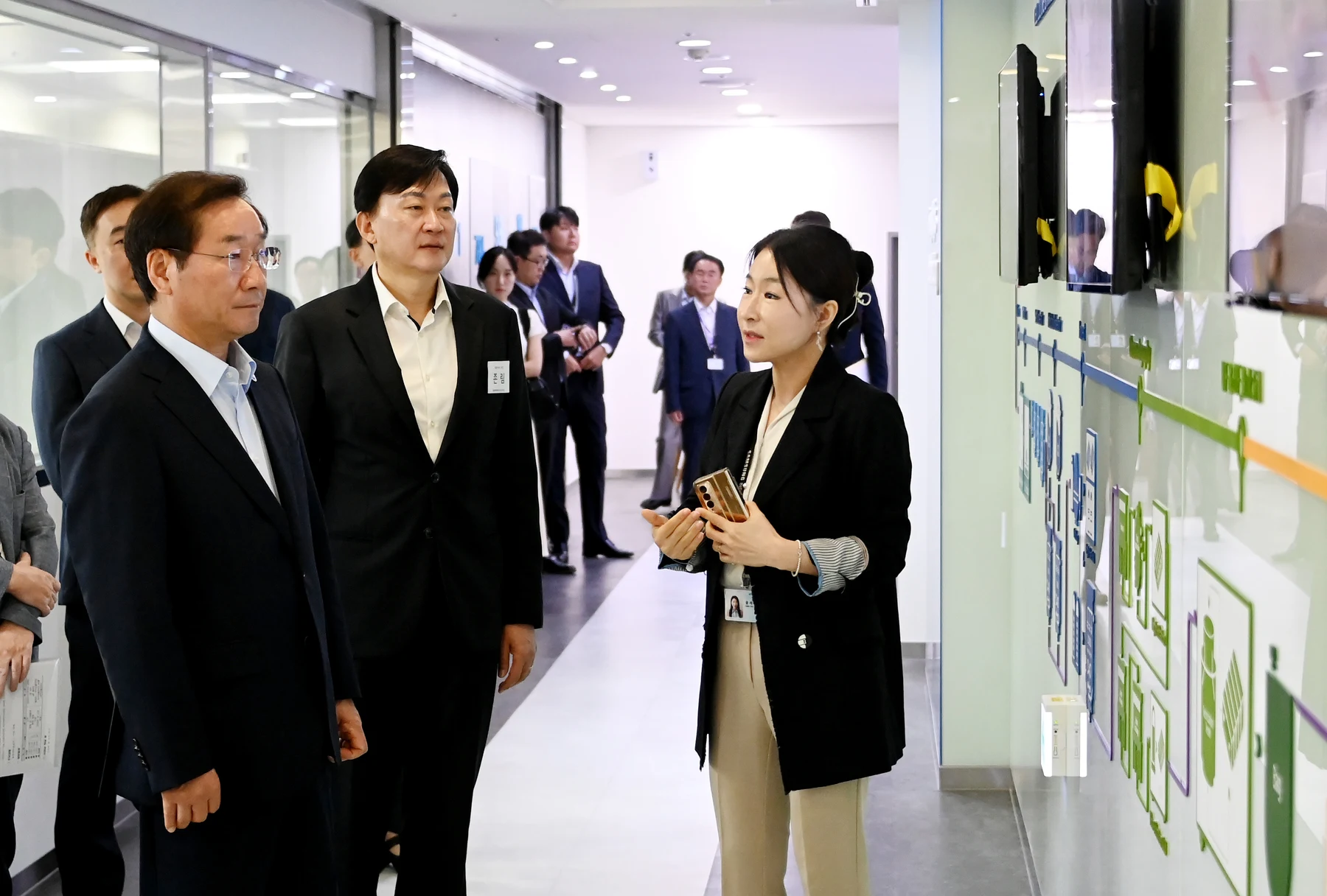
Investment interpretation.
The operating milestone reduces construction uncertainty while transferring the main economic question to utilization. An available vessel is not equivalent to an accepted commercial batch. The relevant productive asset combines qualified equipment, trained operators, validated processes, reserved customer slots and a reliable release system. Expansion is attractive when these components become available together; otherwise the physical plant can precede the cash-generating business by a material interval.
Economic assessment.
Evaluate the ramp as a sequence of expenditures and receipts rather than dividing a revenue forecast by liters. Technology transfer, engineering work, materials, quality testing and inventory may consume cash before customer acceptance. Fixed staffing and maintenance continue during low loading. Customer deposits, minimum commitments and cancellation compensation could improve this profile, but the cited announcements do not disclose enough contract detail to assume such protection.
Capacity Is Not Throughput
Liter capacity measures an equipment configuration, not the annual volume of a standardized finished product. Different molecules can require different production cycles, cleaning arrangements, yields and release procedures. A larger vessel may reduce certain unit costs while making a failed batch more consequential. Comparing nominal capacity across competitors without these operating variables produces a superficially precise but economically weak ranking.
The analytical denominator should be accepted customer output or contribution from reserved production time. Capacity becomes useful when a manufacturer can allocate campaigns without damaging reliability elsewhere. A diligence model should therefore connect each expected revenue stream to a product, production slot and acceptance pathway. The new plant provides an opportunity to increase that output, not evidence that the opportunity has already been exhausted.
The Qualification Interval
Construction completion and operating start are company-level milestones. Commercial readiness also depends on whether the relevant customer program and manufacturing process can use the facility under the applicable requirements. This explains why an April operating start can coexist with a later expected revenue contribution. The interval should be modeled explicitly rather than treated as a temporary accounting inconvenience.
The source documents do not provide a program-by-program qualification calendar. Analysis should consequently test slower and faster customer onboarding, with expenses incurred in both cases. Debt maturities should not depend on a single assumed start month unsupported by contracts. A staged funding arrangement tied to demonstrable customer transfer and acceptance would address a different risk from financing the already completed civil construction.
Automation and Quality Economics
The investor newsletter describes manufacturing execution systems and automation as intended efficiency improvements. The potential benefit is broader than labor substitution: better traceability and fewer manual handoffs may improve the reliability of the production record. Those benefits matter economically when they reduce deviations, rework or delays that would otherwise obstruct batch release.
However, an automated facility still needs maintenance, validated software changes, exception handling and skilled judgment. Investment appraisal should compare the full operating burden with a credible manual or partially automated baseline. It should not capitalize a promotional productivity claim as immediate cash savings. Quality improvements could be valuable even when payroll does not fall, but the evidence must show where that value reaches customer retention, accepted output or avoided cost.
Customer Loading and Bargaining
A new plant expands the manufacturer's ability to offer future slots, but customers hold valuable information about their own trial progress and demand uncertainty. The supplier may commit fixed costs before the buyer knows whether all reserved capacity will be needed. Contract design therefore determines whether operational flexibility is compensated or simply transferred to the manufacturer.
A strong loading plan would identify minimum payments, scheduling rights, product-transfer obligations and the cost of customer cancellation. Diversification across programs can reduce dependence on one molecule while increasing changeover complexity. Neither customer count nor total signed contract value alone establishes the quality of the ramp. What matters is the portion that can be manufactured, accepted and collected within the new facility's available schedule.
Funding the Ramp
The capital cycle extends beyond commissioning. Materials and partially completed batches may accumulate while receivables depend on agreed acceptance events. Revenue recognition, cash collection and manufacturing expenditure can therefore move in different periods. A profitable steady-state plant can still require significant liquidity during its transition from available capacity to dependable customer output.
The appropriate stress test combines slower loading, longer release time and additional transfer expenditure rather than examining each separately. A contingency budget is useful only if it is available to the operating entity when required. Expansion also creates an opportunity cost: money tied to unused capacity cannot support another modality or customer project. The investment case should demonstrate why this configuration earns its place in the manufacturer's broader capital allocation.
Geographic analysis.
China
DSML comparisonChinese customer demand would require program-specific commercial access and supply analysis. The operating announcement establishes no Chinese order book.
Japan
Reported connectionThe same investor update reports a Tokyo sales office. This supports an outreach channel, not proof of Plant 5 utilization by Japanese clients.
Other Asia
Reported connectionThe plant is in Korea. Regional manufacturing depth must be separated from the location of customers and the ownership of their drug IP.
United States
DSML comparisonUS customer programs would need appropriate qualification, logistics and commercial terms. Korean operating capacity is not itself US regulatory clearance.
Europe
DSML comparisonEuropean contract demand could support loading, but the cited disclosures do not allocate Plant 5 output by destination or establish collectible regional revenue.
Counterpoint.
Building ahead of demand may be commercially rational when customers require credible future slots and long transfer lead times. Excess caution could surrender scarce programs to competitors. The counterweight is that readiness has a carrying cost, and the public evidence does not quantify how much of that cost is already covered by binding customer commitments.
Underwriting questions.
- Which customer programs have completed transfer and can produce accepted commercial batches at Plant 5?
- What minimum payments and cancellation compensation apply to reserved capacity?
- How do inventory, release timing and collection terms affect liquidity during the ramp?
Primary sources.
DSML research · 8 October 2026