Reported evidence.
Samsung disclosed a direct funding agreement for USD 4.745 billion of semiconductor subsidies and projected investment of USD 37 billion or more. US Commerce describes the direct award as up to USD 4.745 billion. Samsung described operations as tentatively commencing in 2026 and explicitly allowed investment and timing to change. These are funding and investment commitments, not disbursed cash or completed productive capacity.
1. Samsung Electronics / Texas investment public disclosure2. US Commerce / NIST final Samsung CHIPS incentives award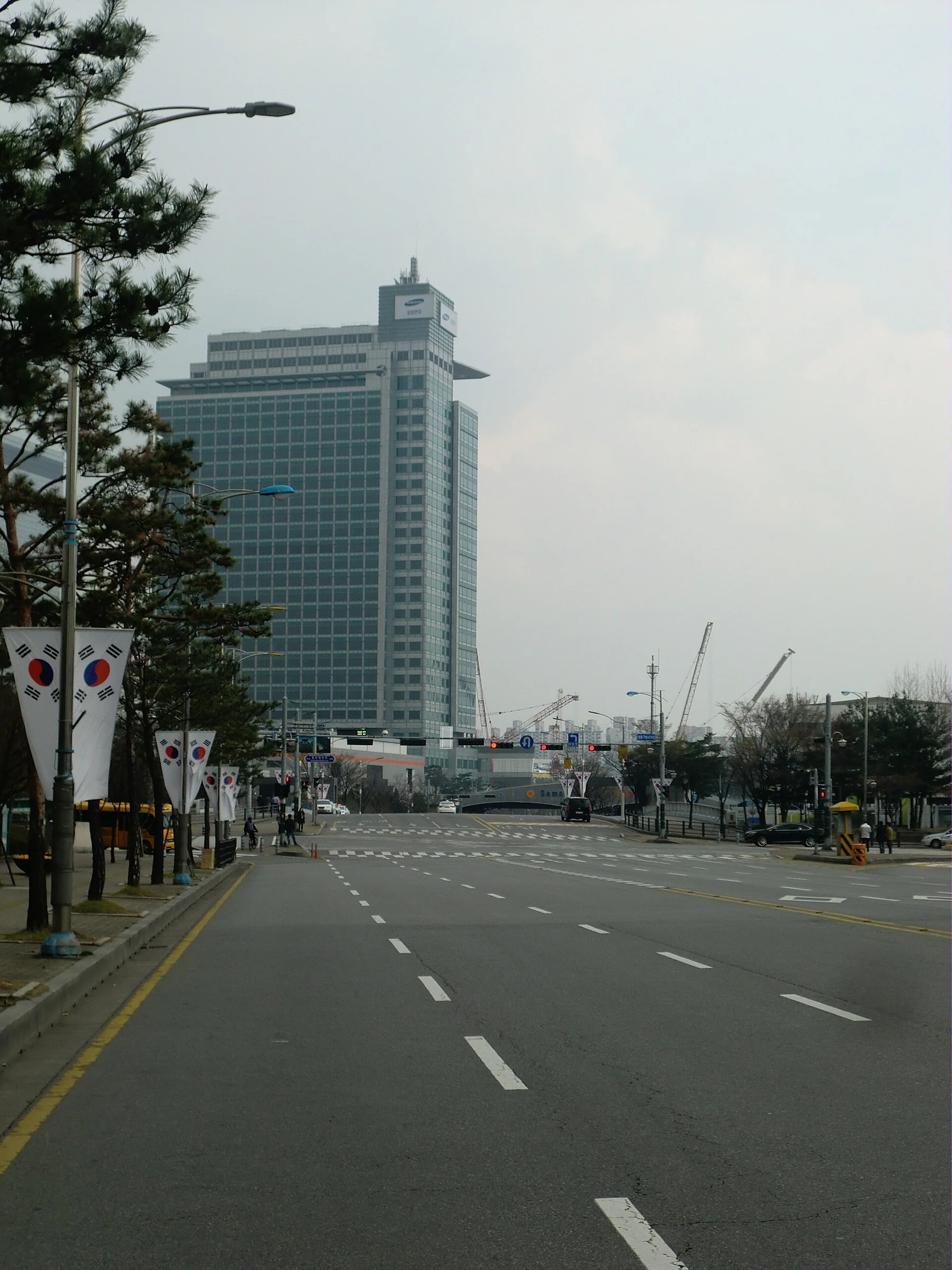
Investment interpretation.
The relevant Korean-company milestone is a final cross-border funding agreement. It moves the project beyond an earlier preliminary proposal, but does not transfer manufacturing execution to the government. Public participation may improve the financing mix while leaving Samsung responsible for the much larger industrial commitment. The economically useful question is which expenditures and milestones the funding actually supports, at which entity, and on what timetable.
Economic assessment.
Reconcile eligible project expenditure, the award ceiling, disbursement conditions and the subsidiary's financing obligations. A grant should enter liquidity forecasts when its payment conditions are supported, not simply when the award is announced. Construction and equipment spending may precede customer qualification by years. The project therefore requires a bridge between committed expenditure and collectible wafer revenue, even when part of its capital is subsidized.
The Award Boundary
A final funding agreement is stronger evidence than a policy ambition, but the distinction between approval and settlement remains decisive. The public sources establish an award and an investment plan; they do not provide the complete drawdown schedule, remaining conditions or actual receipts. An assessment should obtain the signed agreement and distinguish reimbursements for completed work from advances that can finance future work. That distinction determines whether the award reduces peak borrowing or merely repays borrowing after milestones have been verified. Disbursement delays need their own liquidity case rather than being buried inside the construction contingency. The operating subsidiary must also be distinguished from the Korean consolidated group: government support to one project does not automatically become unrestricted cash available to every group creditor. A large award can consequently be strategically important without being an immediately usable corporate liquidity reserve.
Construction Before Qualification
A fabrication project carries several clocks. Buildings, utility infrastructure, tool installation, process qualification and customer acceptance are related but not interchangeable milestones. Equipment can be installed while the process still fails to produce customer-qualified output. Financing construction against an assumed operating date is therefore weaker than financing it against documented completion tests and an independently costed commissioning plan. The disclosure itself allows the timetable to change. A useful stress case asks what expenditure continues during a qualification delay: technical staff, maintenance, utilities, spare parts and supplier obligations may remain payable even when commercial utilization is low. Compare the incremental cost of postponing a tool purchase with the cost of postponing an already integrated production line. These alternatives have different consequences for suppliers and future throughput. Capital discipline lies in preserving those choices before commitments become difficult to reverse.
Customer Access And Saleable Output
Local production may make Samsung a more practical supplier for customers requiring domestic manufacturing options. It does not, by itself, establish their purchase volumes, prices or willingness to switch foundries. The commercial bridge runs from process capability to design adoption, qualified wafers, accepted deliveries and collection. An underwriting model should separate customers that have completed qualification from those merely discussing future designs. Customer concentration can be present before revenue is recognized if a small number of programs determine the intended tool configuration. The recoverability of that equipment may also depend on whether another design can use the same process economically. A diversified group customer list cannot resolve a narrowly configured plant's utilization risk. Assess contractual commitments and process portability at site level, then examine the support the parent has actually agreed to provide rather than assuming every project receives unlimited group resources.
Technology Rights And Recovery
The productive asset is not just a collection of machines. Process recipes, design interfaces, software, employee expertise and customer approvals determine whether the machines can produce valuable output. Review ownership and permitted use of those capabilities across the Korean parent, US subsidiary and external technology suppliers. A security interest in tools may be enforceable while the licences required to operate them are not transferable. Conversely, parent support can preserve operating value if its scope and duration are documented. Recovery analysis should distinguish removal and resale from continued operation. The latter may require power arrangements, environmental permissions, retained personnel and customer consent. Public funding conditions may impose additional restrictions on asset disposal or changes in project scope; their actual terms must be reviewed. These are diligence requirements, not conclusions that the announcement establishes a transferable or unencumbered collateral package.
Funding A Defined Industrial Transition
The investment plan should be evaluated as a sequence of decisions with observable evidence, not as one indivisible geopolitical proposition. Link funding releases to completed infrastructure, installed tools, qualified processes and customer-backed production. Each stage should explain what uncertainty it resolves and what expenditure becomes irreversible afterward. Compare a slower commissioning path with a faster path requiring more temporary funding; neither is automatically superior. A facility that arrives earlier but lacks profitable customers can destroy value, while a delayed facility can lose a qualification window that cannot readily be recovered. The grant helps the capital structure only to the extent that these operating decisions remain coherent. The wider Korean semiconductor opportunity includes preserving technology ownership and engineering capability while meeting overseas manufacturing requirements. That strategic purpose is credible, but the disclosed award amount cannot substitute for project-level cash-flow evidence or a disciplined assessment of the remaining funding requirement.
Geographic analysis.
China
DSML comparisonCompare permitted technology activity and end-user delivery with the actual funding agreement. Chinese demand is not disclosed project revenue, and a US subsidy does not establish that every global customer can be served from the financed plant.
Japan
DSML comparisonExamine materials, tools and service dependencies individually. Supplier nationality is less informative than replacement lead times, service rights and the ability to keep a qualified process operating during an interruption.
Other Asia
DSML comparisonCompare the economics of US production with the Korean manufacturing base without assuming equal yields, utility costs or utilization. Technology transfer between related entities also needs documented rights and a realistic operating timetable.
United States
Reported connectionThe funding agreement and Texas investment are reported US connections. Distinguish the government counterparty, operating subsidiary and eventual wafer customer: they create different contractual claims, payment conditions and concentration risks.
Europe
DSML comparisonEuropean customers could value diversified supply, but these sources disclose no European orders. Evaluate customer qualification and landed economics before allocating any regional revenue to the announced investment.
Counterpoint.
A large final award can improve project financing and strengthen customer confidence, making a purely unsubsidized cost comparison incomplete. Nevertheless, support does not ensure timely commissioning, saleable yield or durable demand. The project may create strategic supply resilience even before producing attractive standalone financial returns; those two objectives should be assessed separately.
Underwriting questions.
- Which conditions govern each funding disbursement?
- Which qualified customers support the site's production configuration?
- What operating rights and parent support survive a financing enforcement?
Primary sources.
DSML research · 8 October 2026