Reported evidence.
Shinsegae Hwaseong announced on 10 October 2024 that it had signed a Paramount Global licensing agreement for the proposed Hwaseong theme park within Star Bay City. The company’s December release subsequently reported tourism-complex designation to be notified on 31 December. The initial plan identified a 1.27 million-pyeong mixed-use site and targeted a 2029 opening. The cited records establish a licence and a planning stage, not a completed park, achieved visitors or an executed Warner licence. Shinsegae’s separate 2026 Warner investment announcement concerns a different asset and counterparty.
1. Shinsegae Hwaseong / executed Paramount licence and development plan2. Shinsegae Hwaseong / tourism-complex designation and remaining planning stages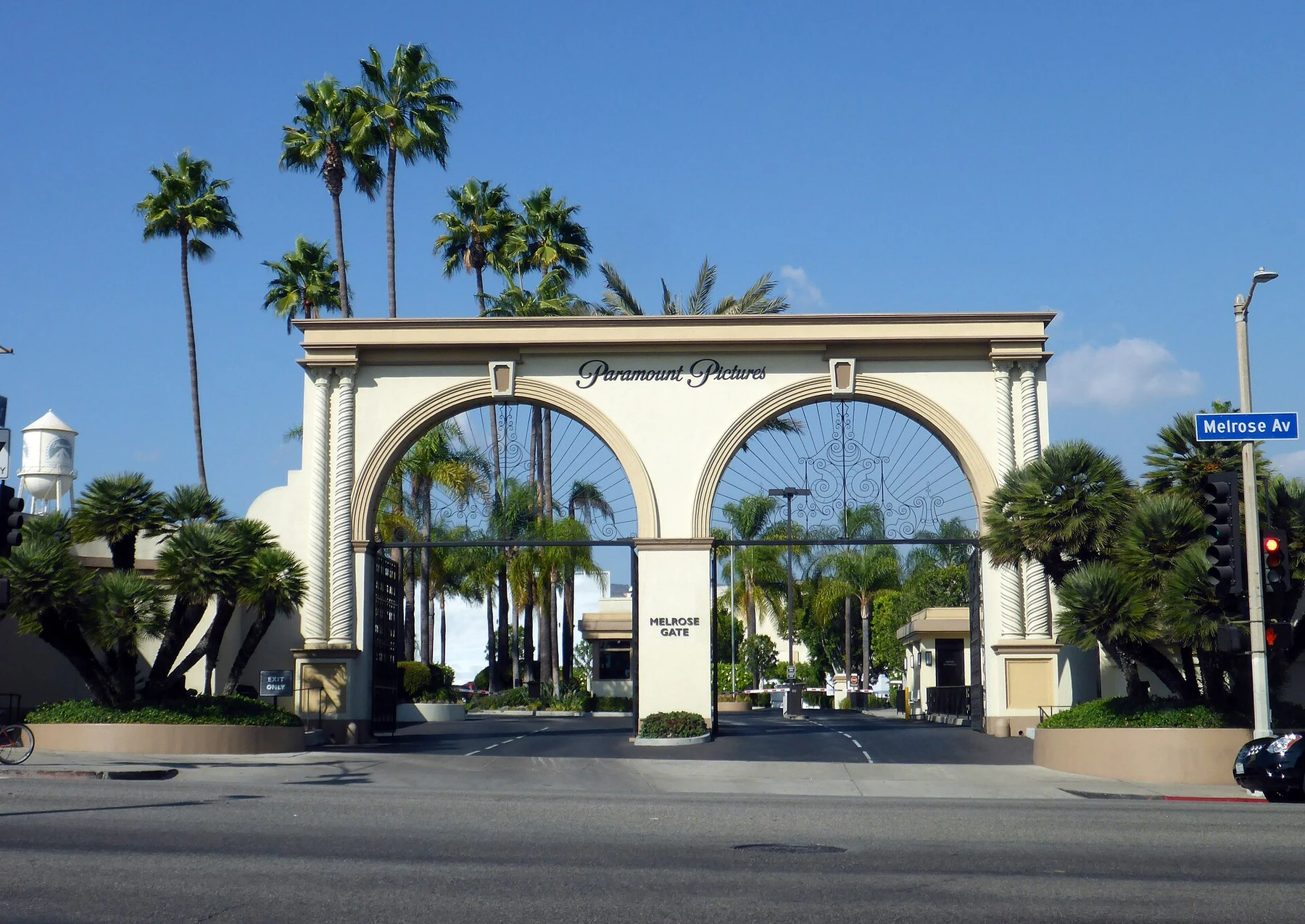
Photograph source · CC BY-SA 4.0; attribution, change notice and share-alike required for image derivatives; separate trademark and programme rights remain.
Investment interpretation.
A theme-park licence can translate screen IP into a locally operated experience without purchasing the entertainment company. The economic asset is the permission to build and exploit a defined destination, combined with the capability to execute it. Recognizable characters may reduce discovery costs and differentiate attractions, but the project must still satisfy construction, access, service and price requirements. This case is a specific contractual alternative to equity-led entertainment expansion, not proof that either route guarantees tourism earnings.
Economic assessment.
Separate licensed attraction contribution from shopping, hotel, residential and other development receipts. The project area is not a revenue denominator. No royalty schedule, construction budget or funding waterfall is disclosed in these releases. The financing case needs the entity holding the licence, the entity funding construction and the cash available after operating and maintenance obligations; district-wide benefits cannot be assigned automatically to the park borrower.
IP Is an Input to the Destination
The licence provides a defined route to use Paramount branding in the proposed park. That can distinguish the experience from an unbranded attraction and support coherent rides, merchandise and food concepts. It is still an input, not a complete operating business. A visitor buys a day or stay that must work in physical space. Queue management, staff, transport and the quality of the attractions determine whether recognition becomes a satisfactory paid experience.
The public release describes design participation and proposed content uses, but does not publish the complete rights schedule. A financing review should identify approval processes, permitted characters, duration and the cost of keeping the offer current. Those are analytical requirements, not asserted contract terms. Equity ownership is unnecessary for some destination rights, yet a licence can still impose substantial obligations. The appropriate valuation concerns the net contribution of the permitted local experience, not the aggregate box-office history or corporate value of the licensor’s worldwide library.
Permission Is Not Commissioning
Tourism-complex designation addresses one planning stage. It should not be described as completed construction approval, a commissioned attraction or an operating opening. The December account itself distinguishes designation from the remaining development plan. That sequence matters because capital can be committed while later approvals, design and construction remain unresolved. Treating the initial permission as an operating outcome would conceal both the timing of cash requirements and the decisions that remain reversible.
A project budget should be divided into milestones with evidence appropriate to each. Land arrangements, design, permits, construction and commissioning can affect costs differently. A stage can reduce uncertainty without eliminating it. The investor needs to know what expenditure becomes unavoidable after each approval and which party bears delay. The cited 2029 date remains the target in those records; no later outcome is inferred. A genuine licence and planning milestone justify analysis, while preserving the difference between a development option and a functioning destination that can support debt from customer receipts.
The District and the Park
A mixed-use project can create complementary occasions: visitors may shop, stay overnight or use leisure facilities around the main attraction. That can improve the district’s proposition and distribute demand across several activities. It also creates several businesses with different cash ownership, cost structures and investment horizons. Residential proceeds, hotel bookings and admission receipts are not one common pool merely because the components share a project name.
The economic review should establish how the park captures any benefit it creates for surrounding assets. A hotel package or promotional arrangement may provide a contractual link, while broader destination uplift can remain with other property owners. Internal pricing matters where related businesses share costs or customers. A project can be worthwhile at group level and still leave a particular financed entity with insufficient operating cash. Separate property ownership, hospitality operation and the branded attraction licence before presenting a consolidated return or assigning financing capacity to the destination’s total footprint.
A Visit Must Become Contribution
The development release includes an expected visitor figure. It is a forecast and is not used here as evidence of achieved demand. A visitor projection needs a defined perimeter: park admissions, repeat entries and visits to the wider district can be different measures. The customer’s travel cost and time also affect conversion from franchise awareness. A recognized story can motivate interest without overcoming an inconvenient journey or a price that does not fit the household occasion.
A useful operating model separates admission, ancillary purchases and any hotel stay, then includes the cost of delivering each. Capacity during busy periods does not establish annual utilization, and discounted attendance may produce less contribution than a smaller full-price audience. Capital should focus on the elements that make repeat visits useful without excessive replacement spending. Tourism arrivals from China, Japan or other markets can inform demand hypotheses, but only actual itineraries and reservations can demonstrate what share reaches this specific Korean destination and produces collectible operating receipts.
Capital and Licence Duration
A destination can require long-lived physical assets while its content permissions have contractual terms. The relationship between those horizons matters. If renewal or approval becomes expensive, an otherwise useful building or attraction may need costly redesign. If the licence is durable and transferable, it can support a stronger operating and realization proposition. The cited sources do not publish those provisions, so no renewal economics or change-of-control permission is assumed.
The funding plan should provide for maintenance, periodic content renewal and liquidity before stabilization. A strategy that depends on a later sale must also identify what the buyer would acquire: land, operating contracts, brand permissions or a combination requiring consent. These are distinct valuation claims. The case supports the existence of a Korean-company licensing milestone within the window, with subsequent planning evidence kept in the same record. Its strongest capital lesson is to match irreversible expenditure with durable rights and a credible route to operating cash, rather than use a famous franchise or district visitor forecast to bridge missing contractual economics.
Geographic analysis.
China
DSML comparisonChinese inbound demand needs itinerary, access and price evidence. The Korean destination licence is not a Chinese park-development right or a forecast of Chinese earnings.
Japan
DSML comparisonJapanese destination comparisons should separate licence cost, construction and travel access. They cannot supply assumed Korean admission yield.
Other Asia
Reported connectionThe planned physical operation is in Hwaseong, Korea. The company’s Asian-landmark ambition is positioning, not contracted regional visitor demand.
United States
Reported connectionParamount provides the named US IP licensing connection. The agreement does not establish equity ownership of the licensor or any Warner rights.
Europe
DSML comparisonEuropean theme-park comparisons require adjustment for rights, seasonality and maintenance. No European operation or licence receipt is disclosed.
Counterpoint.
The licence can make the destination more distinctive while avoiding an entertainment-company acquisition. It can also add approvals, fees and renewal dependence to an already capital-intensive development. The strong case is durable local rights supporting a useful operating experience; recognition and a planning designation alone do not establish a financeable cash stream.
Underwriting questions.
- How do licence duration and transfer conditions match the physical asset’s funding horizon?
- Which district benefits become contractual receipts of the park operating entity?
- What evidence permits each next construction commitment before opening and stabilization?
Primary sources.
DSML research · 8 October 2026