Reported evidence.
SCK Company announced a September promotion as its rewards program approached 15 million registered members. A qualifying second drink received a 60% discount. The release says the membership threshold was approaching; it does not report 15 million active purchasers or audited incremental profit.
1. SCK Company / September rewards promotion
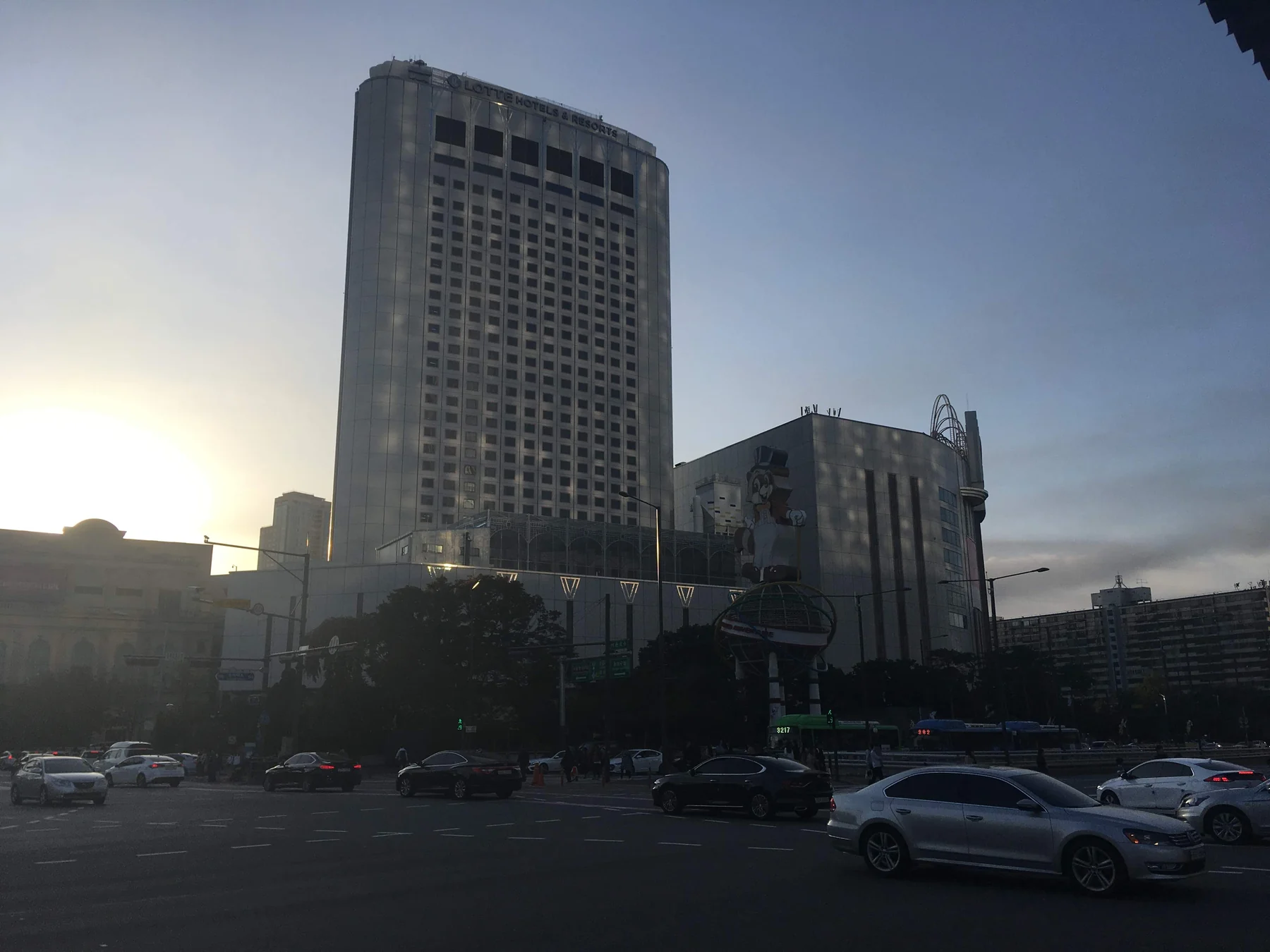
Photograph source · CC BY 2.0; attribution and change notice required for the photograph; separate trademark rights remain.
Investment interpretation.
A familiar licensed brand and a local loyalty system can turn demand into repeat visits. The economic right being monetized is the local customer relationship, but a second discounted transaction must generate enough contribution to justify the concession. Registered membership is distribution potential, not evidence of profitable frequency.
Economic assessment.
Test incremental visits after cannibalization, beverage costs, peak-hour labor and coupon redemption. The second drink's lower price can be rational when it fills otherwise idle capacity; it may be costly when it replaces a full-price order. Contribution must be evaluated across the linked purchase sequence, not inferred from member totals.
(100 − 60) / 100 × 10040% of the eligible drink's list price before costs. This is not a gross margin and excludes any economics of the first purchase.
Geographic analysis.
China
DSML comparisonCompare locally controlled loyalty and platform-mediated demand. A common international brand does not mean the operator owns equivalent customer rights in each market.
Japan
DSML comparisonBenchmark promotional contribution under local costs and visit patterns. The Korean discount cannot establish demand or margin for a Japanese operation.
Other Asia
Reported connectionThe case concerns a Korean foodservice operator. Local rewards economics illustrate that operating know-how and customer data can matter alongside licensed brand IP.
United States
DSML comparisonSeparate the international brand owner from the Korean operating entity. Local sales and loyalty assets should not be attributed automatically to the parent brand.
Europe
DSML comparisonCompare customer retention mechanisms rather than carrying over promotional rates. Labor, utilization and licensing terms determine whether the model transfers economically.
Counterpoint.
Frequent coupon use can increase transactions without increasing profit if it rewards visits that would have happened at full price.
Underwriting questions.
- What proportion of redemptions produces an incremental visit?
- Does the linked purchase sequence generate positive contribution?
- Who controls local data and loyalty-program rights?
Primary sources.
Analysis dated 8 October 2026. Event figures retain the period and status of their source. Announced commitments, conditional milestones, distribution reach and audience metrics are not realized investment returns. This research is not a recommendation or a representation of fund holdings.