Reported evidence.
SK hynix announced completed HBM4 development and preparation for mass production on 12 September 2025. It reported doubled bandwidth and 40% improved power efficiency against the previous generation. An earlier 19 March announcement described customer samples and the start of certification work. The September announcement is not a customer-level shipment schedule or a standalone product profit statement.
1. SK hynix / HBM4 development and production readiness2. SK hynix / earlier HBM4 samples and certification sequence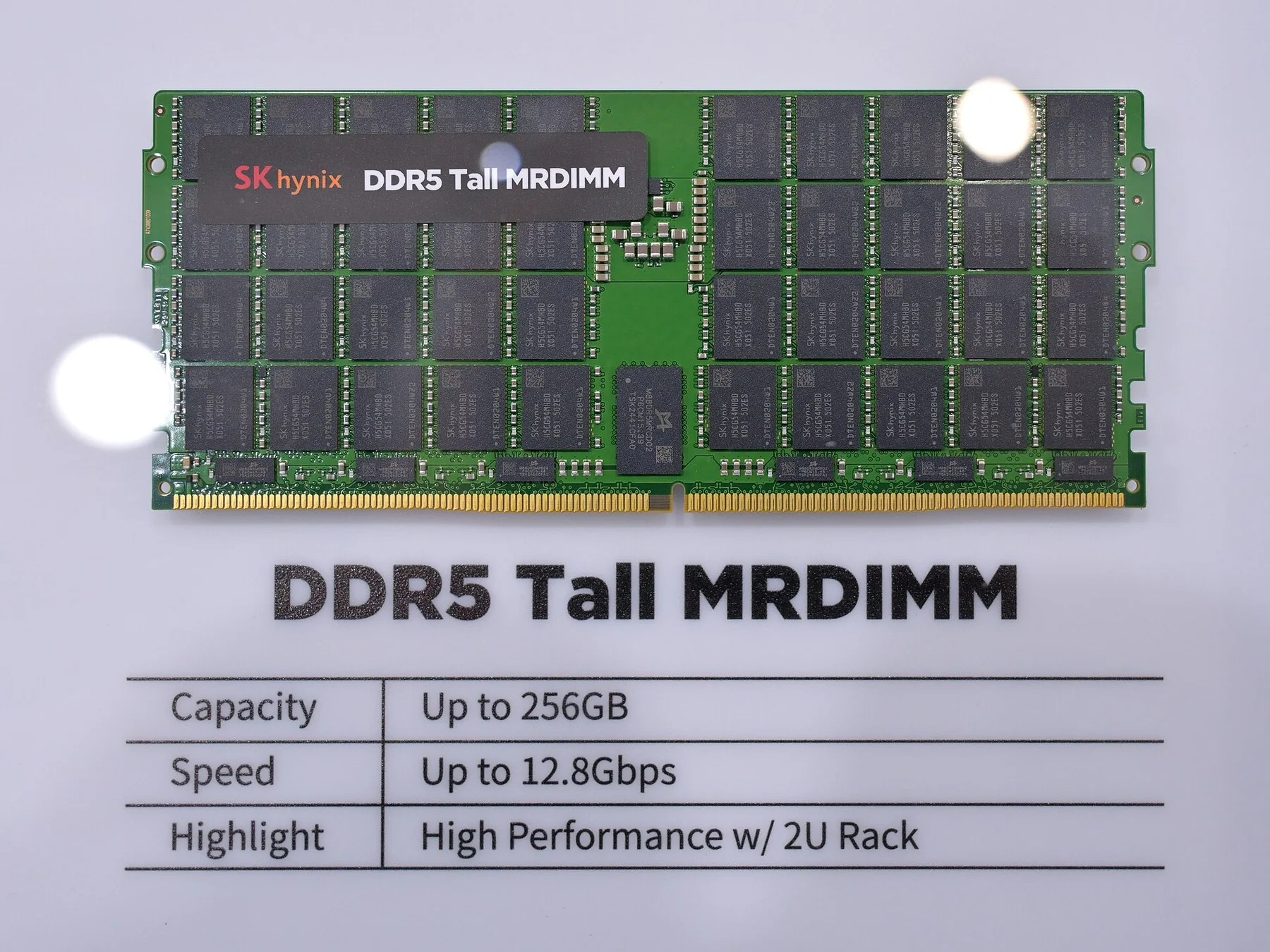
Investment interpretation.
The financing significance lies in moving from technical development toward repeatable production. This transition can reduce one form of uncertainty while creating larger inventory and capacity commitments. A sample that works and a product that can be supplied economically at scale are different assets. Credit analysis should identify the evidence that turns readiness into accepted customer output without capitalizing an undisclosed order book.
Economic assessment.
Model the progression from wafers to packaged, tested and accepted units. Rejects at a late manufacturing stage can consume costs accumulated across several earlier stages. The selling price must therefore be evaluated against the cost of saleable output, not gross starts. Customer acceptance and collection create further timing differences after production yield has been established.
From Samples To A Production System
The two dated disclosures establish a development sequence rather than two equivalent sales events. Sampling exposes the product to customer evaluation; production preparation addresses the manufacturer's ability to repeat the result. These tasks may share engineering work but resolve different risks. A production-ready process can still require customer-specific qualification or integration before volume orders become usable revenue evidence. Determine which customer requirements have been incorporated into the final configuration and which remain open. A late specification change could affect testing, package design or the allocation of production resources. The appropriate financing milestone is consequently more detailed than a generic statement that development is complete. It should identify the process configuration, qualified applications, testing evidence and remaining acceptance steps. That documentation provides a basis for controlling the larger expenditure that follows readiness without treating every unresolved issue as an equivalent technical risk.
The Cost Of A Saleable Stack
Stacked memory makes the location of defects economically important. A failure detected before advanced processing consumes a different amount of cash from a failure discovered after assembly and testing. Underwriting should reconstruct where testing occurs, what costs accumulate before each checkpoint and whether rejected components can be reused. The relevant measure is the cost per accepted stack. A stronger headline specification may justify a premium only if the supplier can produce enough accepted output to serve contracted demand. Accelerating output before the process stabilizes can increase the cash tied up in work in progress and the expense of rework. A slower ramp can conserve cash while missing a customer procurement window. The trade-off needs process-level evidence and a clear commercial timetable. Neither a power-efficiency comparison nor an aggregate manufacturing capacity figure resolves this choice, because both can coexist with materially different saleable yields.
Allocation And Customer Commitment
A supplier facing strong demand must decide which designs receive scarce qualified capacity. That allocation can support durable customer relationships, but it can also concentrate the product's economics in a limited set of system programs. Examine whether the customer commitment is firm, cancellable, conditional on qualification or merely a forecast. Supplier investment based on a forecast exposes the manufacturer to an asymmetric obligation: production resources are committed while customer demand can still change. The September release does not disclose these terms. Financing should therefore distinguish output supported by enforceable obligations from output built for anticipated demand. Consider customer remedies for late delivery and the supplier's ability to redirect inventory if a program is delayed. Redirectability is a practical commercial question, not a conclusion that follows from selling a generally useful memory technology. Application-specific qualification can materially narrow the alternative buyer set.
Process Know-How And Contractual Boundaries
HBM capability combines product design, process knowledge, packaging technique and operating execution. The earlier release identifies Advanced MR-MUF as part of its sample production approach. That is evidence of a stated technology route, not a complete map of the patents and licences supporting it. Review the ownership of each critical capability and the dependencies on external tooling, materials or design interfaces. A financing claim over physical inventory does not secure continued access to all of those inputs. Customer qualification may also attach to a particular manufacturer and process rather than to an independently transferable design. This can strengthen competitive retention while limiting recovery under distress. The productive value of the IP is therefore relational as well as legal. A robust recovery plan would need to maintain production permissions, know-how and customer confidence together; valuing one element separately could substantially overstate what a creditor can realize.
Funding The Ramp Without Assuming The Cycle
A useful financing structure distinguishes the development budget from the ramp budget and the later working-capital requirement. Development completion does not mean the remaining capital is small. Tool readiness, materials, inventory, testing and customer support can increase expenditures precisely when the commercial opportunity appears strongest. Establish a liquidity cushion for a ramp that takes longer than expected while avoiding the assumption that every production delay signals permanent technical failure. Separately test a successful ramp followed by lower prices: operating execution and the market cycle are independent variables. The company may create substantial value by meeting a system-generation transition, but durable debt capacity depends on what happens after that transition. Product readiness is an appropriate operating milestone to study because it changes the nature of the cash being committed. It is not an appropriate shortcut for assuming perpetual scarcity pricing or immediate conversion of inventory into customer cash.
Geographic analysis.
China
DSML comparisonEvaluate deliverable customer demand under actual product and end-user permissions. These releases do not disclose China revenue or customer allocations, so neither market size nor regional computing demand can be converted into a shipment forecast.
Japan
DSML comparisonReview materials and equipment resilience as part of the production route. Replacement components may require qualification even when substitute suppliers exist, making disruption duration more important than a simple supplier count.
Other Asia
DSML comparisonCompare regional packaging and system-integration dependencies without assigning all downstream value to the Korean memory supplier. Production readiness should be mapped across the actual manufacturing and acceptance chain.
United States
DSML comparisonUS AI-system demand is a useful underwriting comparison, not an identified customer book in these announcements. Customer qualification, volumes and collection terms must be verified before attributing local receipts.
Europe
DSML comparisonAssess how an accepted memory product reaches European system users through intermediate counterparties. End-user demand and the location of the buyer owing payment are different exposures, neither quantified here.
Counterpoint.
Manufacturing experience and customer relationships can make the readiness announcement more consequential than a laboratory result from a new entrant. Nevertheless, the advantage can be consumed by ramp costs, delayed qualification or a changing supply cycle. Stronger product performance is compatible with either stronger or weaker cash conversion.
Underwriting questions.
- Which customer applications have completed qualification?
- Where do rejects occur in the cost accumulation sequence?
- What commitments support capacity allocation and inventory production?
Primary sources.
DSML research · 8 October 2026