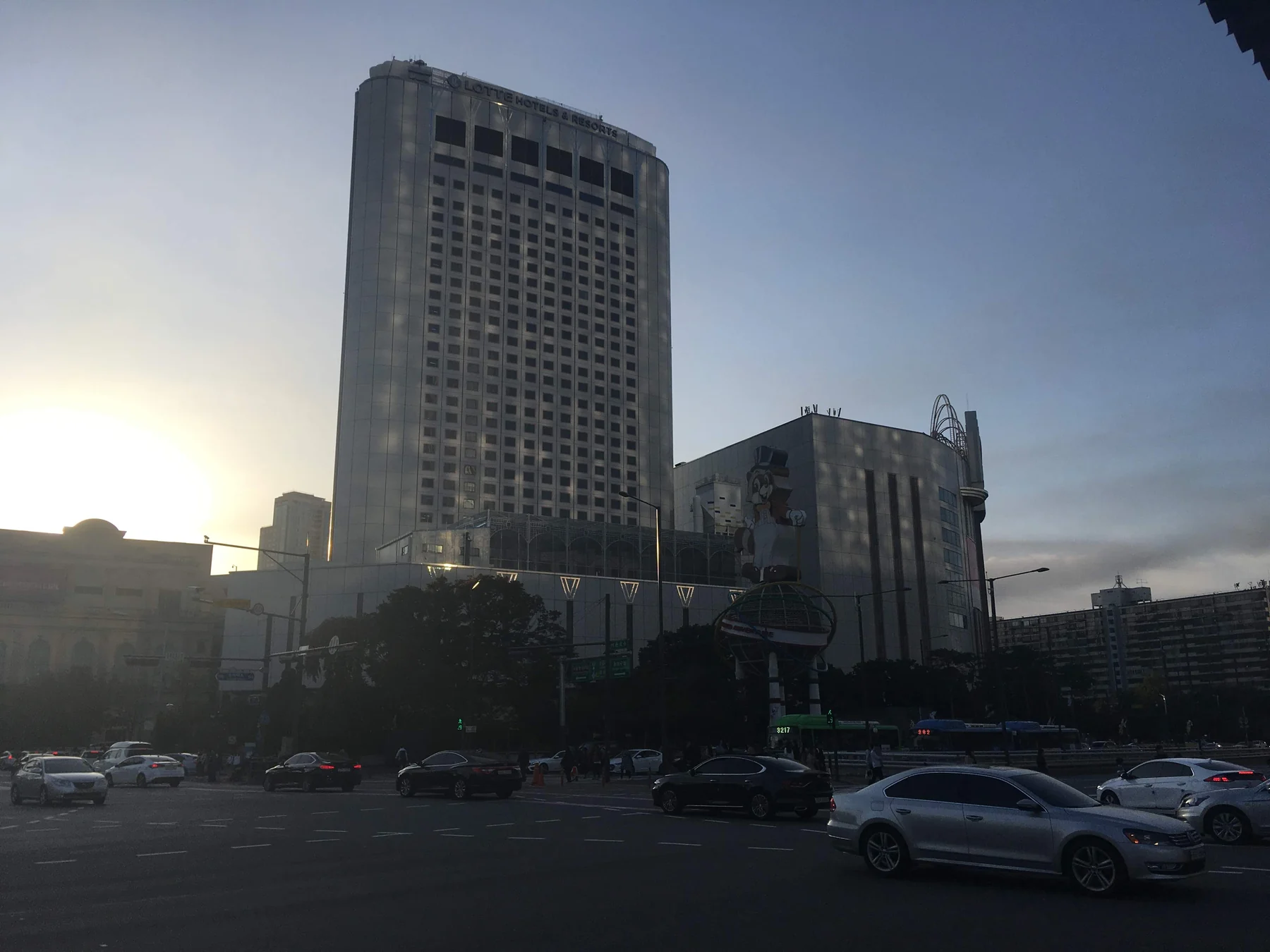
Reported evidence.
Hanwha states that it launched the high-end ANTO brand in September 2025. Its company profile describes an existing resort division with nine resorts and 4,649 rooms. Those figures describe the division's stated footprint, not ANTO's room count or the incremental return from the new brand.
1. Hanwha / Hotels & Resorts company profile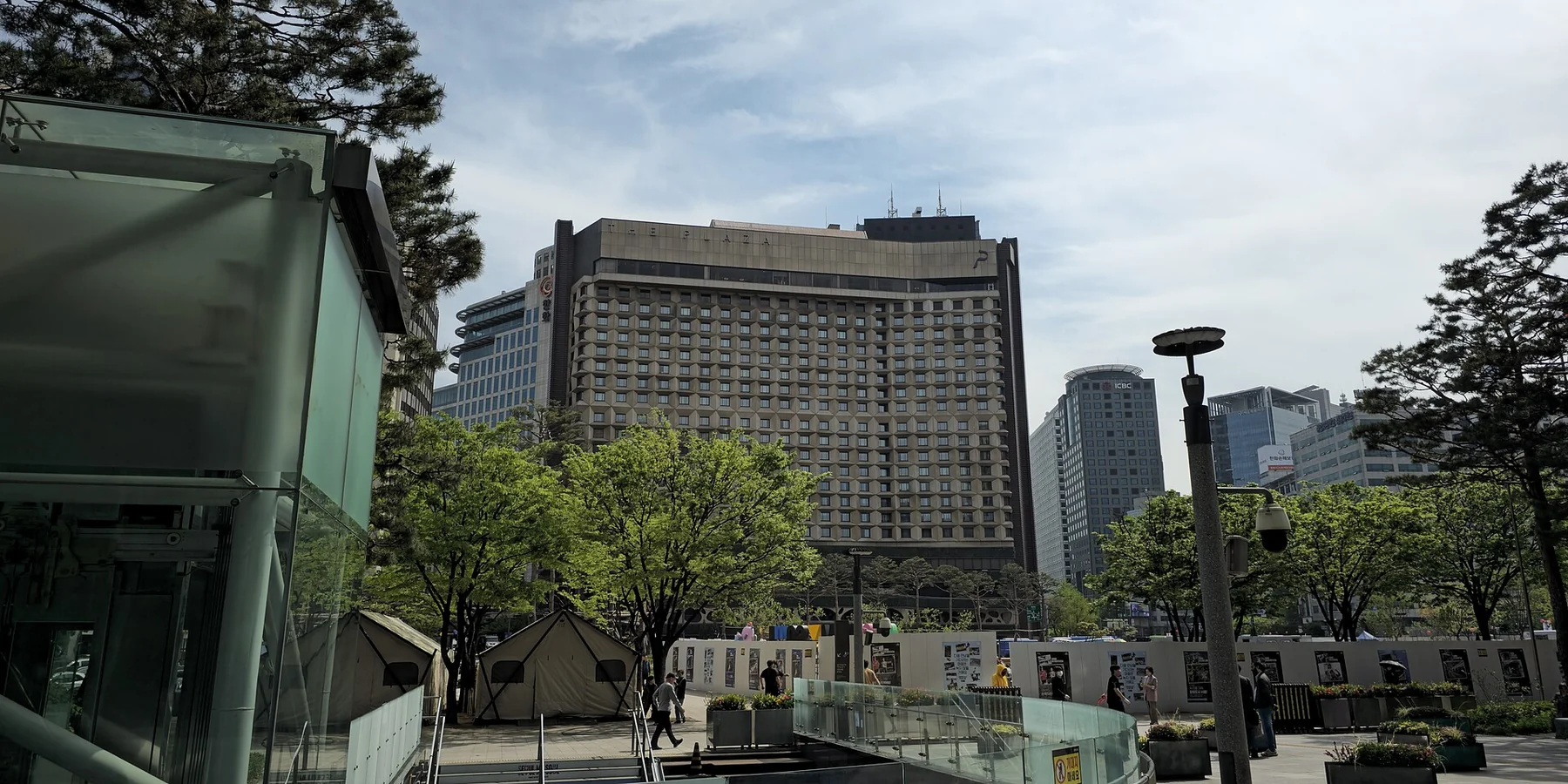
Photograph source · CC0 1.0 public-domain dedication for the photograph; separate trademark and other rights are not waived by this record.
Investment interpretation.
A premium brand can make operating expertise more legible to customers, but rebranding does not create premium economics on its own. Higher room rates must offset differentiated service, maintenance and acquisition costs. Existing scale can support procurement and staffing, yet it may also obscure the performance of a newly positioned property.
Economic assessment.
Evaluate the incremental rate and ancillary contribution against extra labor, refurbishment and marketing. Use a like-for-like baseline before attributing improved revenue to the brand. Neither acquisition consideration nor ANTO operating results are disclosed in this profile; the legacy footprint should not be used as a valuation denominator.
Geographic analysis.
China
DSML comparisonInbound premium demand should be measured through bookings and net rates. Cultural proximity alone does not establish willingness to pay for a newly positioned hotel.
Japan
DSML comparisonCompare service expectations and repeat demand, not just luxury labels. A premium segment in one country does not supply a transferable operating margin.
Other Asia
DSML comparisonRegional visitors and domestic guests may use different channels and stay lengths. Separate their contribution before presenting a regional expansion opportunity.
United States
DSML comparisonAn international brand comparison must adjust for tenure, labor and property costs. The source does not announce a US ANTO rollout.
Europe
DSML comparisonCompare asset-light management and owned-property strategies separately. Brand recognition can support either, but the capital and downside risks are materially different.
Counterpoint.
A higher published rate can coexist with lower profit if occupancy, staffing and refurbishment costs deteriorate after repositioning.
Underwriting questions.
- What is the like-for-like contribution before and after repositioning?
- Which service costs rise with the premium promise?
- Can the brand be expanded without repeating property-level capital costs?
Primary sources.
- Hanwha / Hotels & Resorts company profileUndated company profile; checked 8 October 2026
Analysis dated 8 October 2026. Event figures retain the period and status of their source. Announced commitments, conditional milestones, distribution reach and audience metrics are not realized investment returns. This research is not a recommendation or a representation of fund holdings.