Atlas Arrives With a Factory Job in View
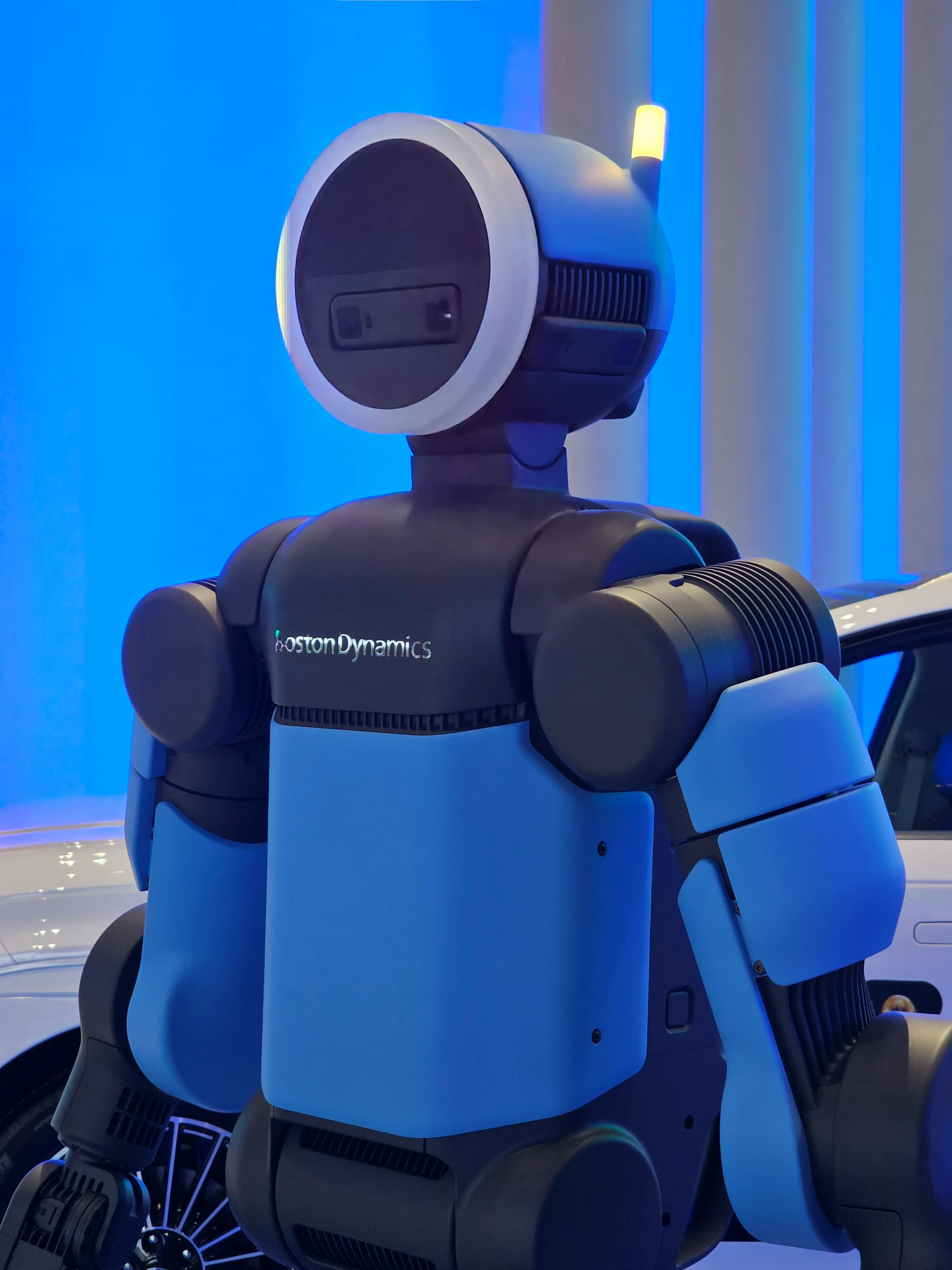
At CES in Las Vegas on 5 January 2026, Boston Dynamics unveiled the product version of its electric Atlas humanoid. A prototype performed the live stage demonstration. The next machines had more prosaic destinations: Hyundai's Robotics Metaplant Application Center and Google DeepMind, with the year's deployments already allocated to them. Production was to begin immediately at Boston Dynamics' headquarters.
Hyundai gave the programme a specific industrial destination. Its Georgia Metaplant was to introduce Atlas for parts sequencing in 2028, followed by component assembly in 2030. Sequencing means putting the required parts into the order production needs. It gives the robot a defined place in the factory's flow, where a missed movement can affect the people and machines working around it.
The staged introduction connects Boston Dynamics' research to Hyundai's manufacturing organisation. Before Atlas takes on assembly, teams must teach it to work safely and predictably alongside an existing process. The training and application centre is the bridge between a new product and the repeated movements a car factory needs every working day.
Source: Boston Dynamics · Product Atlas announcement, 5 January 2026Jackowski Simplifies the Machine Behind the Performance
Atlas general manager Zack Jackowski described a new generation with fewer unique parts and components designed for automotive supply chains. Hyundai Mobis would supply its actuators, which convert commands into physical movement. These decisions put repair, sourcing and repeat manufacture inside the robot's design from the beginning.
The combination draws on different parts of Hyundai's organisation. Boston Dynamics supplies the machine and control experience. Mobis brings component development and manufacturing. Hyundai and Kia contribute process knowledge and production data, while Glovis is assigned logistics and supply-chain work. Jackowski's smaller parts catalogue is a practical way to make that cooperation easier. A robot working through a shift eventually needs someone to diagnose a fault, replace a component or restore a stopped task. Standardising parts can make those jobs more manageable. The move towards automotive supply chains therefore changes more than the number of robots a factory might build: it shapes how the machines can be looked after once they leave it.
Source: Boston Dynamics · Component design, Hyundai Mobis and industrial integration, 5 January 2026Rodriguez and Parada Bring Learning Into the Programme
Boston Dynamics announced its Google DeepMind partnership on the launch day. Atlas behaviour director Alberto Rodriguez wanted visual-language-action models suited to complex physical tasks. DeepMind's Carolina Parada described using the new fleet to develop models that extend Gemini Robotics into the physical world. Joint research was expected to begin in the following months.
The division of work brings a model developer into a programme already containing hardware engineers, component makers and factory operators. A useful robot must connect what it perceives with a movement appropriate to the surrounding work. Training that movement is one part of the job; recognising when to stop or ask for help is another. Hyundai's application-centre plan puts lifts, turns and recoveries into behavioural training, then connects that training with data from manufacturing. The proposed cycle is to practise, encounter the real process and retrain. That makes the factory an active participant in developing the robot, with operators helping define the movements it has to master.
Source: Boston Dynamics and Google DeepMind · Joint research announcement, 5 January 2026The American Factory Plan Expands Around the Robot
The Atlas programme sits within a wider US manufacturing commitment. On 26 August 2025, Hyundai raised its announced 2025-2028 investment from USD 21 billion to USD 26 billion. The programme included steel, automotive capacity and a robotics facility with planned annual capacity of 30,000 units. These remained investment and capacity plans, with Atlas's first factory tasks scheduled separately.
Hyundai described the steel mill and automotive expansion as ways to strengthen local supply chains and respond more quickly to American demand. The robotics facility would add design, manufacture, testing and deployment to that industrial presence. The group was placing its developing technology inside an established effort to build more of its US business locally.
The political and economic proposition was also explicit: Hyundai expected the larger programme to create about 25,000 direct US jobs by 2028. At CES it described robots taking on hazardous or repetitive work while people train and oversee them. That promises a change in the organisation of work as well as a new product. Making the transition useful to those people is part of the deployment challenge.
Source: Hyundai Motor Group · Announced 2025-2028 US investment and annual robot-capacity plan, 26 August 2025DHL Helps Stretch Find Its Next Task
Another Boston Dynamics machine had already made the journey into a customer's operation. DHL introduced Stretch commercially in North America in 2023, after a collaboration beginning in 2018, and later expanded deployments into Britain and Europe. By May 2025, DHL reported unloading rates of up to 700 cases an hour.
The work addressed heavy, repetitive lifting inside hot or cold trailers. In Britain, the installation linked the robot with conveyors and palletisers. That surrounding equipment matters: unloading a box becomes more useful when the rest of the warehouse can receive and move it without creating another manual bottleneck.
DHL's 13 May memorandum proposed more than 1,000 additional units worldwide and further work including case picking. Global supply-chain technology chief Sally Miller described a more active role in shaping development. The customer was using experience with one job to influence the next. Atlas has a different design and programme, but this customer-led progression offers Hyundai a relevant industrial precedent.
Source: DHL Group · Stretch operating results and expansion memorandum, 13 May 2025September Brings the Training Centre Into Operation
On 21 September, Boston Dynamics reported that the first phase of the application centre was operating on Hyundai's Georgia manufacturing campus. Atlas machines were practising logistics and parts preparation there. One of the destinations named in January had become a place where the robot could learn the work of an automotive plant.
Jackowski, by then chief product and technology officer, described joining production, supply, testing and deployment in the same programme. The company planned a much larger centre in 2027 and was discussing training applications with existing Spot and Stretch customers in other industries. The opening gave Hyundai's longer factory schedule an operating starting point: a training facility inside the setting where the machines were expected to work.
Source: Boston Dynamics · Georgia application centre opens, 21 September 2026The Work Continues After Installation
Hyundai's CES roadmap pairs gradual deployment with continuing software updates, hardware maintenance and remote monitoring. It proposes subscription-based service as part of that relationship. For an operator, this means choosing an organisation to keep the machine working, as well as choosing the machine itself.
The training work in Georgia now gives the next stages somewhere to develop. Sequencing and assembly place different responsibilities on the robot and the people supporting it. DHL's experience shows how that relationship can mature when an operator helps redesign the surrounding workflow and identifies another useful job. At Hyundai, that process starts with the parts that must reach the line in the right order.
Source: Hyundai Motor Group · Planned 2028 sequencing, 2030 assembly and continuing robot service, 5 January 2026DSML research · 8 October 2026 · Revised 31 October 2026