Jun Bang Takes SCREENX Into Production Earlier
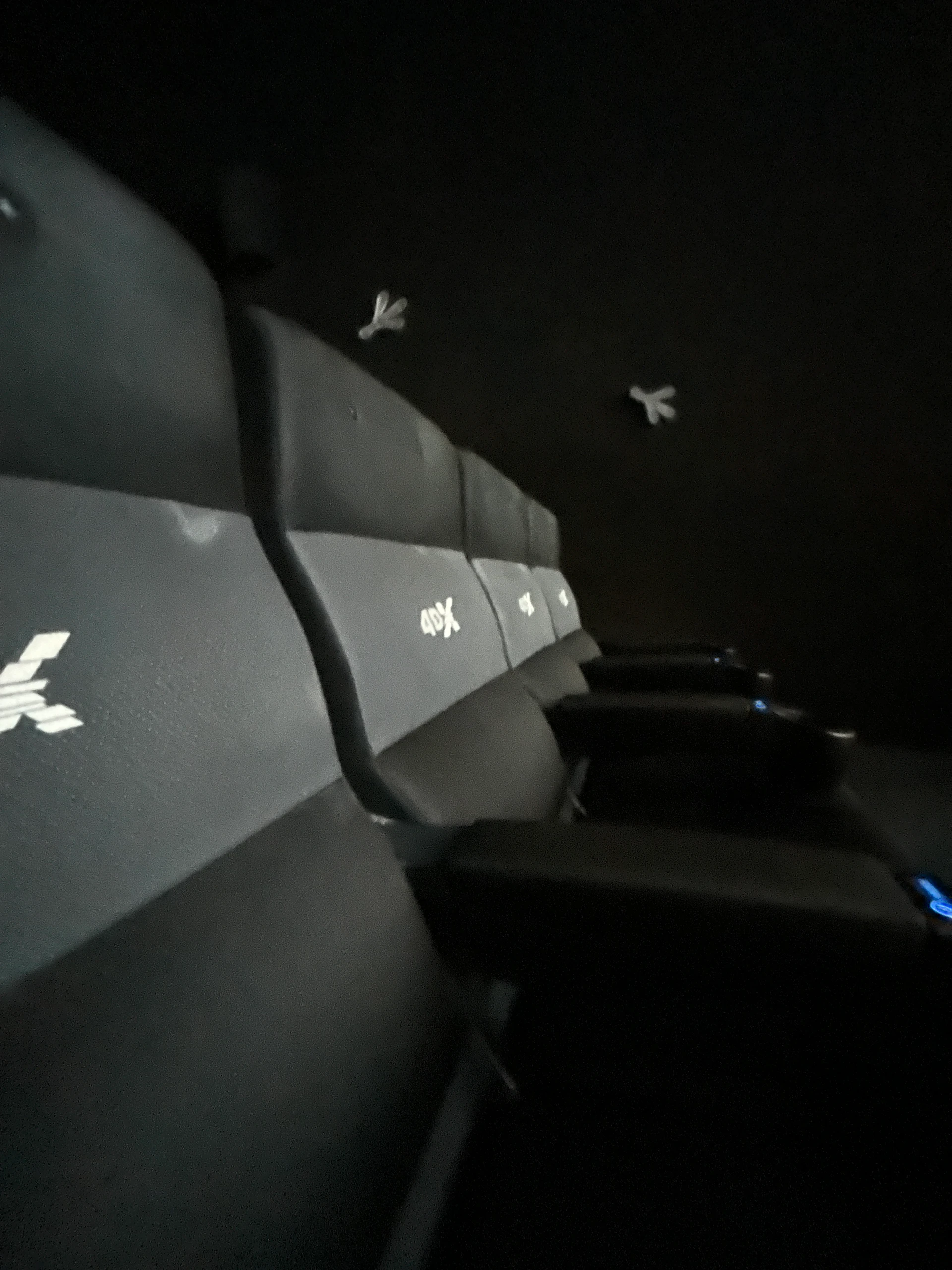
CJ 4DPLEX announced on 4 September 2026 that Spider-Man: Brand New Day had exceeded USD 104 million at the worldwide SCREENX and 4DX box office in 33 days. CJ's 9 September account reported more than 6.7 million admissions and 40% average seat occupancy. The formats had turned a familiar character into a paid occasion inside an installed cinema network.
Chief executive Jun Bang also identified a change in how the company worked. The film carried the Shot for SCREENX designation, bringing format-specific direction into early production instead of adapting a completed film only afterwards. Sony distribution executive Steven O'Dell connected the collaboration to the resulting theatrical experience.
The difference is creative as well as technical. A panoramic sequence can be conceived for the surrounding screens while the film is being made. That gives the format supplier a role before the exhibitor sells a ticket. It also requires coordination with people whose first responsibility is the film itself.
The film had been screened more than 115,000 times across 1,200 SCREENX and 4DX locations worldwide. Those repeated showings explain how an early production decision reached an audience: cinemas already equipped for the formats could present the sequences as intended. The USD 104 million was worldwide ticket gross across the two formats. Its scale made the collaboration visible well beyond a technical demonstration.
Source: CJ · Special-format Spider-Man result, published 9 September 2026Adi Shankar's Series Needs a Korean Animation Team
Netflix's Devil May Cry credits identify another specialist role. The adaptation of Capcom's game property was led by Adi Shankar and animated by Studio Mir. Writer Alex Larsen was also part of the announced creative team. The Japanese game franchise reached an international streaming audience through a production involving Korean animation.
The brand supplied recognisable characters and an established world. Studio Mir supplied animation that could carry them into another medium. Netflix's synopsis placed Dante, an orphaned demon hunter, between human and demon realms as forces tried to open a portal. The adaptation gave that world the scenes, movement and visual rhythm of an animated series, carrying a story known through player-controlled games into television.
Shankar described himself and Larsen as fans of the characters when discussing the adaptation. His creative leadership, Studio Mir's animation and Netflix's distribution brought different capabilities to the same programme. For the Korean studio, participation meant realising an existing property within that international creative arrangement. It was a production role with a clear identity of its own.
Source: Netflix · Devil May Cry production creditsCapcom's Older Game Has a New Reason to Be Discovered
Capcom's 13 June 2025 release reported that Devil May Cry 5 had passed ten million cumulative units. The game had originally launched in March 2019. The company linked continued catalogue sales to the game's appeal, added content and its wider Single Content Multiple Usage strategy.
The same release said the Netflix series, released on 3 April, had attracted more than 5.3 million views in its first week. Capcom described the series as part of its effort to raise awareness of the property. A game first released in March 2019 was meeting another audience through television, while remaining available to players discovering it later.
Capcom had also added a playable character and further story and action elements to the game. The catalogue's life therefore involved work inside the game as well as a new programme outside it. Studio Mir's production and the rights owner's continuing game business occupied different parts of that process. The same characters could carry an animated story for viewers and an action experience for players.
Source: Capcom · Devil May Cry 5 milestone, 13 June 2025Shinsegae Chooses Capital Participation Before a New Destination Exists
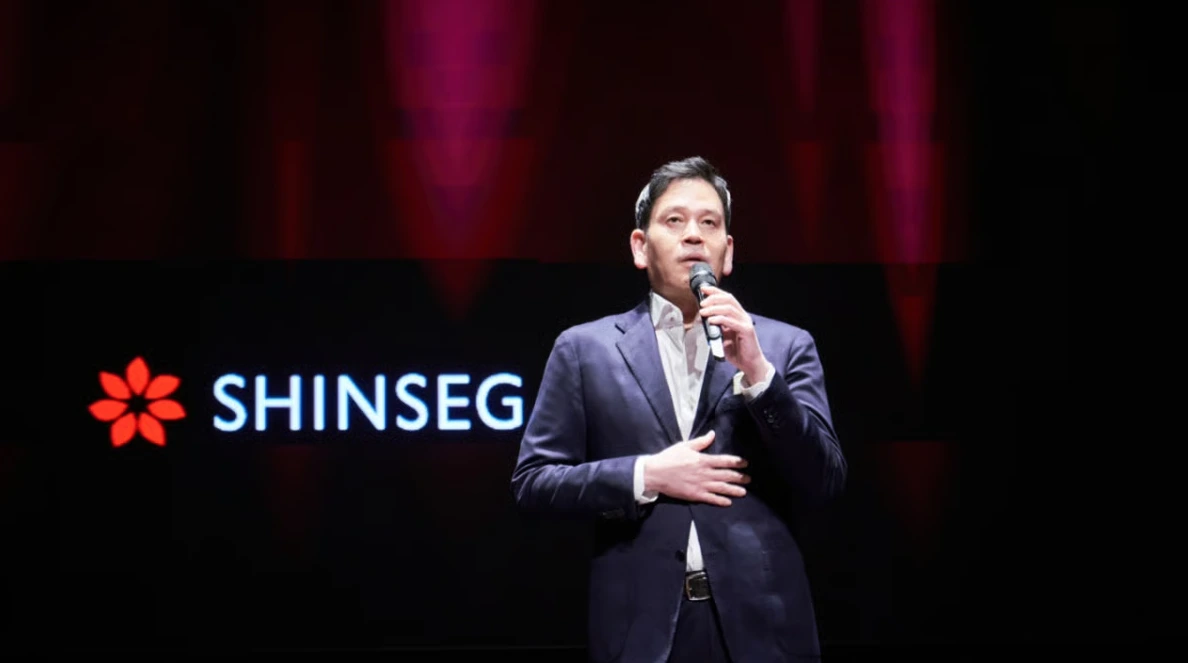
On 6 October 2026, Shinsegae announced that Shinsegae Property would invest USD 1 billion in the Warner Bros. acquisition alongside David Ellison and RedBird. Its stated purpose reached beyond a financial holding: the group wanted to combine international entertainment properties with its retail and destination businesses.
The announcement pointed to the proposed theme park at Hwaseong Star Bay City and to themed experiences at Starfield, Starfield Market and Starfield Village. It also envisaged cooperation around streaming and membership. These remained prospective Korean operating plans, requiring their own delivery arrangements after the investment announcement.
The direction of travel was different from Studio Mir's. A Korean operator was seeking to bring internationally recognised stories into places it would serve physically. A visitor's decision would involve the destination and its service as well as familiarity with the characters. The proposed experience had to be made, staffed and maintained.
The proposed settings reveal the retailer's own contribution. Shopping destinations bring buildings, service teams and established customer contact to an entertainment property. Shinsegae wanted those places to offer new experiences around international stories, extending a visit beyond ordinary shopping. Its announced investment was a step towards that relationship; the destinations themselves still had to be developed.
Source: Shinsegae · Warner Bros. transaction participation, 6 October 2026Ellison Closes the Media Deal; the Korean Plans Still Need Delivery
The acquirer's own 6 October release confirmed completion of the wider transaction and named the combined company Skydance. David Ellison and RedBird founder Gerry Cardinale described the next stage of building the enlarged media organisation. That closed corporate transaction was distinct from Shinsegae's prospective Korean destination work.
The completed media transaction gave the Korean plans a larger corporate counterpart. Shinsegae's announcement envisaged membership links with its online and offline businesses and, over time, possible Korean content cooperation. Its ambitions ranged from an attraction to a screen and a shopping visit, each requiring collaboration with the enlarged media group.
CJ and Studio Mir show other points at which that collaboration already happens. A film's surrounding images have to be designed with its makers, while an animated adaptation needs a team able to give existing characters a new performance. Shinsegae is seeking a role at the destination end of the chain. What connects the companies is the practical contribution they bring to someone else's established property and the new experience they can make together.
Source: Paramount · Wider acquisition completion, 6 October 2026DSML research · 8 October 2026 · Revised 31 October 2026